News

buying guide

buying guide

What is the best waterproof raincoat material?

There is no universal “best” waterproof raincoat material. The optimal choice depends on your intended use, local climate, budget, and whether you prioritize breathability, durability, packability or low cost. The most common options — PTFE membranes, PU membranes, PU coatings,


Read More »
buying guide

Should runners wear reflective gear?

Yes, runners should wear reflective gear for all dawn, dusk, and night runs. Reflective clothing is one of the simplest, highest-return safety upgrades for low-light running: it bounces vehicle headlights straight back to the driver, giving them critical extra seconds

Read More »
buying guide

What vests do construction workers wear?

Construction workers almost universally wear high-visibility safety vests, typically ANSI/ISEA Class 2 or Class 3, made with fluorescent yellow-green or orange fabric and retroreflective tape. These garments are the standard baseline of personal protective equipment (PPE) on active job sites,

Read More »
buying guide

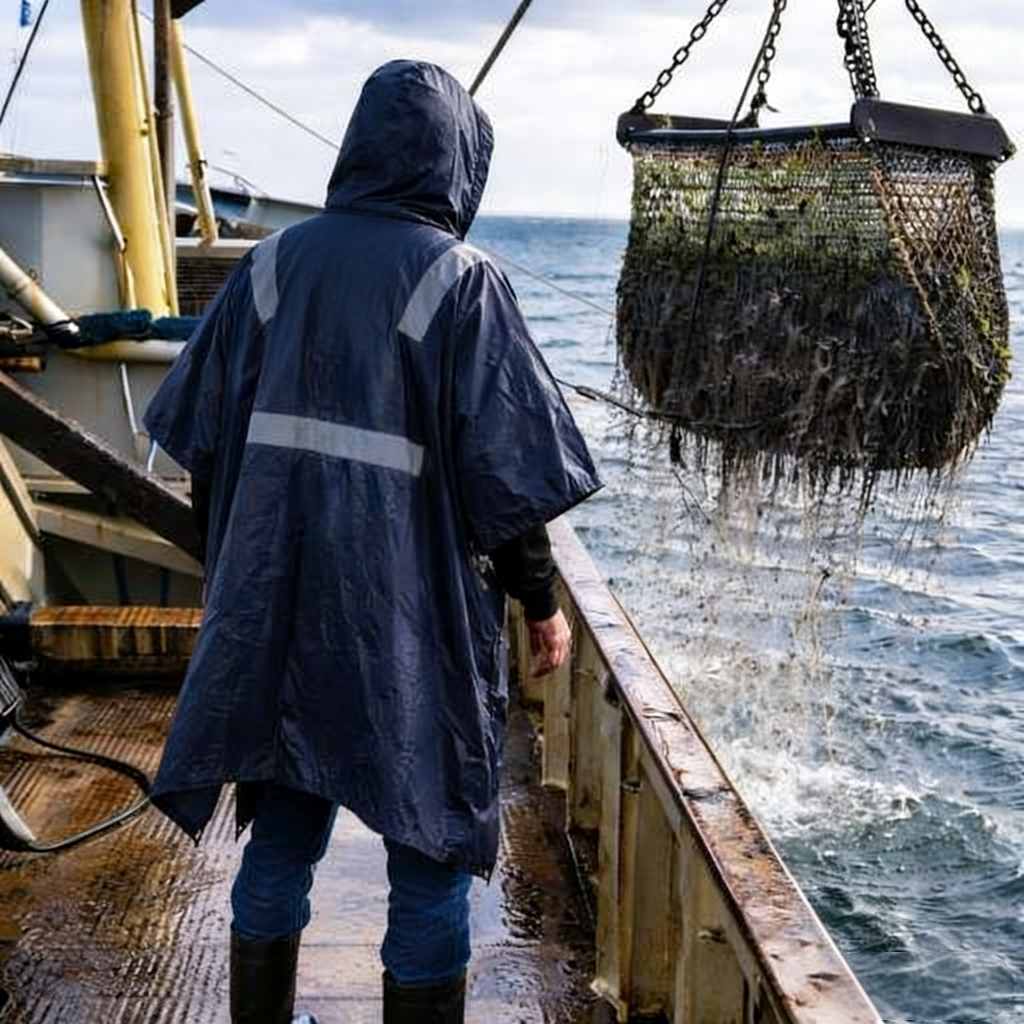
What to wear when fishing in the rain?

The foundation of a comfortable, safe rainy fishing day is a waterproof, breathable high-visibility rain suit — a jacket + bib set with fully taped seams and a minimum 10,000mm waterproof rating. This base layer blocks rain, wicks away sweat,

Read More »
buying guide

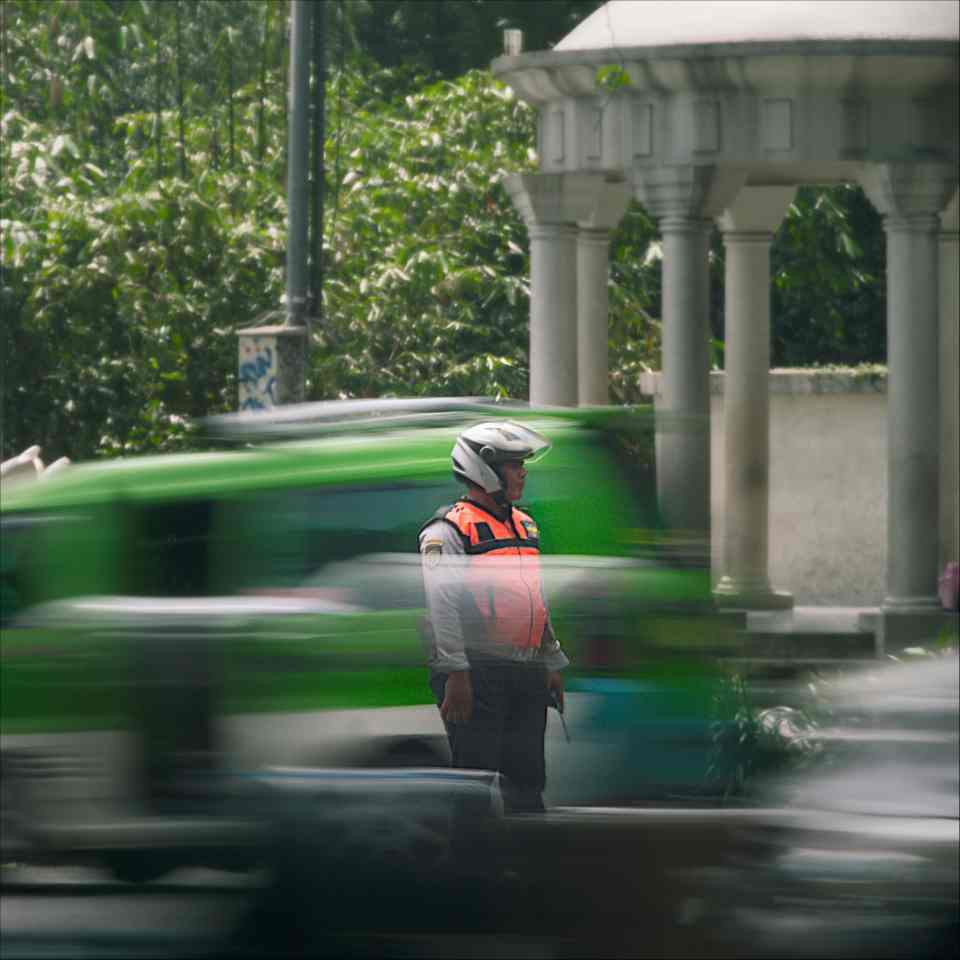
What class vest do flaggers wear?

Most flaggers wear ANSI/ISEA 107 Class 2 safety vests for standard daytime flagging duty on local roads. For work on high-speed highways, night shifts, or low-visibility weather, Class 3 apparel is required. Exact requirements depend on state regulations, posted speed

Read More »
buying guide

Do chefs use cut-resistant gloves?

Yes, professional chefs regularly use cut-resistant gloves as standard personal protective equipment (PPE) for high-risk kitchen tasks. They are most commonly worn for knife work, mandoline slicing, and butchering, rather than for all kitchen duties. Chefs typically switch to disposable

Read More »
buying guide

What is the best thickness for mechanic gloves?

There is no single best thickness for every mechanic glove. A 5 mil glove can provide better finger sensitivity for precision work, while 6–8 mil gloves offer a practical balance of protection and dexterity for many general tasks. For heavier

Read More »
buying guide

Which is better nitrile or PU coated gloves?

Nitrile and polyurethane (PU) coated gloves are widely used in industrial and general work environments, but they offer different performance advantages. Nitrile is generally better for durability, oil resistance, abrasion resistance, and demanding work, while PU is better for dexterity,

Read More »
buying guide

What to wear when riding a bike in the rain?

Rain doesn’t have to stop a bike ride. The right combination of a moisture-wicking base layer and waterproof, high-visibility outerwear can help keep you dry, comfortable, and visible in wet weather. For most rainy rides, the basic setup includes a

Read More »
buying guide

Is a water-repellent jacket good for rain?

A water-repellent jacket can be good for rain—but only when the rainfall, exposure time, and jacket construction match what the garment is designed to handle. A jacket may make water bead beautifully on its surface and still be unsuitable for

Read More »
buying guide

What do police officers wear in the rain?

Police officers working outdoors in wet weather may use a combination of rain jackets, rain pants, waterproof footwear, hoods or rain hats, gloves, and equipment protection. The exact combination depends on the officer’s assignment, exposure conditions, uniform configuration, and equipment.

Read More »