
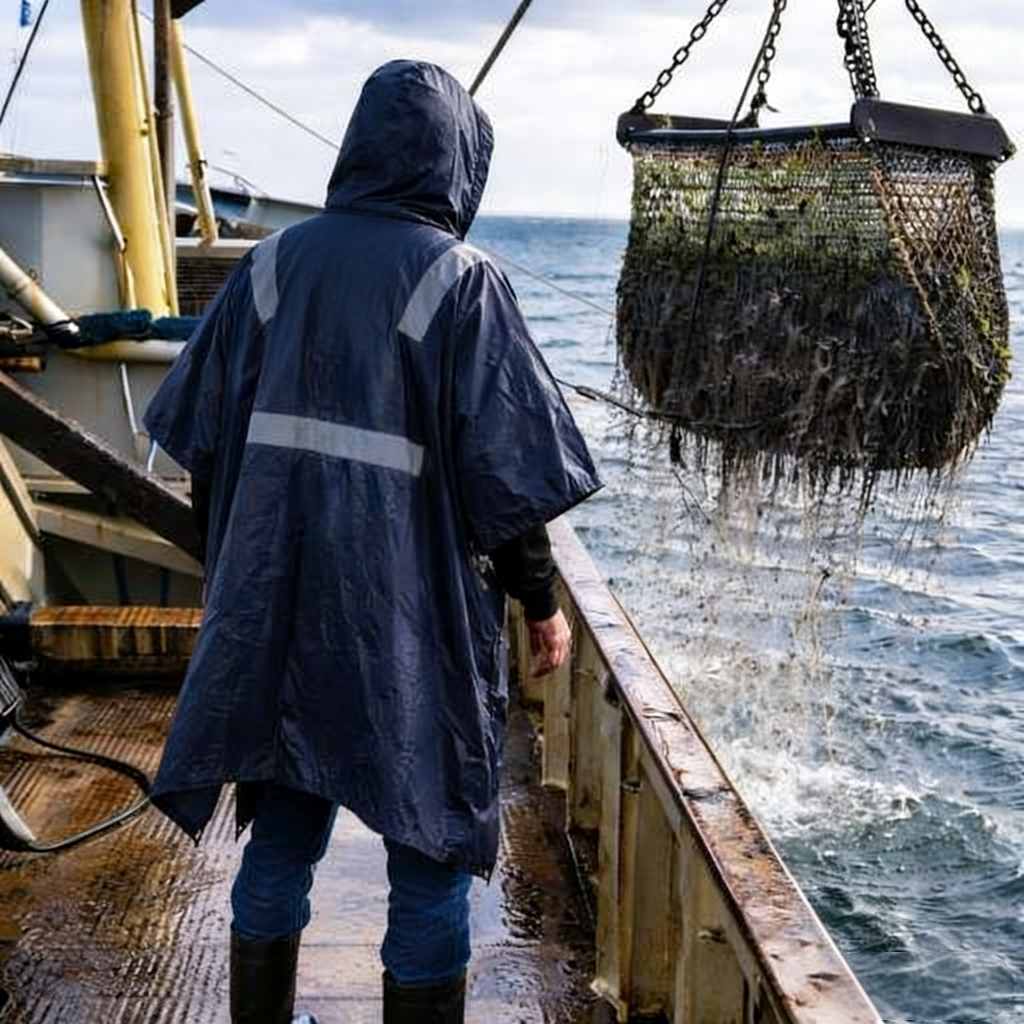
The foundation of a comfortable, safe rainy fishing day is a waterproof, breathable high-visibility rain suit — a jacket + bib set with fully taped seams and a minimum 10,000mm waterproof rating. This base layer blocks rain, wicks away sweat, and keeps you visible to other boaters in low light, fog, and heavy downpours.
Key Takeaways
- A 10,000mm+ waterproof rain suit with fully sealed seams is the non-negotiable base layer for rainy fishing.
- Pair a waterproof jacket with bib pants for full coverage — the overlap eliminates gaps that cause torso and leg soaking.
- Skip cotton base layers; choose synthetic or merino wool to retain warmth even when damp.
- High-visibility fluorescent fabric + reflective tape keeps you seen by other boaters in rain, fog, and low light.
- Pack safety accessories: waterproof phone case, spare dry clothes, anti-fog spray, and follow the 30-30 lightning rule.
Core Gear: High-Visibility Waterproof Rain Suit

A two-piece rain suit (jacket + bib pants) is far more effective than a standalone jacket for full-body protection. For fishing, look for three non-negotiable features: minimum 10,000mm waterproof rating, fully taped sealed seams, and breathable fabric.
Why Jacket + Bibs Outperform a Jacket Alone
A jacket alone leaves critical gaps at the waist and legs. Paired with bibs, the two pieces form one continuous waterproof system:
- No waist gap: The overlapping jacket hem and bib waistband eliminate the seam where standing water and spray most often seep in.
- Stays in place: Suspender straps hold coverage steady during casting, netting, and leaning over the gunwale — no riding up.
- Full leg protection: Wave chop and spray constantly hit the lower body; bibs wrap the entire leg and lower back.
- Windproof warmth: A waterproof, windproof layer on the legs slows heat loss dramatically in cold wind and rain.
High-Visibility Design for On-Water Safety

Rain, fog, and overcast skies drastically reduce how far other boaters can see you. High-visibility rain gear solves this with:
- Bright fluorescent base fabric (orange, yellow, or green) that stands out against gray water and sky
- Reflective piping or tape that catches light from other vessels’ headlights and searchlights
- Critical for both fishing partner visibility and emergency rescue scenarios
Product Highlight: WELWORK High-Visibility Rain Gear
Built for demanding marine and commercial fishing conditions, WELWORK rain suits feature fluorescent high-visibility fabric with premium reflective tape for maximum low-light detectability. Available in 150D to 600D polyester/fluorescent oxford fabric with PU or PVC coatings:
- PU coating: Lighter, more flexible for active all-day fishing
- PVC coating: Heavy-duty durability for rough, high-abrasion use Additional features include Velcro cuff/trouser adjustments, drawstring hoods, and stain/abrasion-resistant fabric. The suits work for commercial fishing, marine work, construction, and outdoor recreation.
Other Key Suit Features to Look For
- Waterproof internal phone pocket + fleece-lined hand warmer pockets
- Adjustable suspenders, waist, and cuffs for a custom, weather-sealed fit
- Roll-away or drawstring hood that stays put without flapping in wind
- Non-insulated shell design for year-round use (add layers underneath in cold weather)
What to Wear Under Fishing Rain Gear
The base layer against your skin determines whether a rainy day feels tolerable or miserable. Cotton is never a good choice for wet conditions — it absorbs up to 27x its weight in water, loses all insulating value, and creates hypothermia risk even in mild temperatures.
Base Layer Material Comparison
| Material | Performance in Wet Conditions |
|---|---|
| Cotton | Absorbs and holds moisture; loses all warmth when wet; high cold stress risk |
| Synthetic (polyester/nylon) | Wicks sweat away via capillary action; holds almost no water; dries quickly |
| Merino wool | Natural wicking; stays warm when damp; better odor control for multi-day trips; dries slower than synthetics |
For most day trips, lightweight synthetic base layers are the most practical and cost-effective choice. Merino wool is ideal for multi-day excursions where odor resistance matters.
Layering Tips for Full Range of Motion
- Base layers should fit snug but not tight — loose fabric slows moisture transfer; overly tight fabric restricts blood flow and casting movement.
- Use thin synthetic mid-layers (fleece or insulated vest) for core warmth instead of one bulky layer. This lets you adjust temperature easily and preserves arm mobility for casting.
- Always test the full system before leaving the dock: raise arms in a casting motion to ensure sleeves and jacket hem stay in place.
Essential Rainy Fishing Accessories
A rain suit covers your body; these accessories fill the gaps the suit can’t reach.
Gear & Electronics Protection
- Waterproof phone case: Your phone is a safety tool (radar, emergency calls, waypoints). Keep it functional through spray and downpours.
- Anti-fog spray: Stops glasses, camera lenses, and phone screens from fogging up in humid, rainy conditions.
- Waterproof tackle storage: Protects line, hooks, and lures from damp air that causes rust and degradation.
- Microfiber towels: Fast-drying for wiping hands, rod handles, and seat surfaces; wring out and reuse.
Hand Protection
Glove choice depends on temperature and rain intensity:
- Lightweight breathable waterproof gloves: Best for temperatures above 45°F with intermittent rain
- Insulated cold-weather gloves: 35–50°F conditions, ~60g insulation
- Neoprene gloves: For frequent hand immersion in cold water
- Fingerless gloves: Above 55°F, when fingertip dexterity matters more than full coverage
Look for taped seams and 4–6 inch extended gauntlets that seal over the jacket cuff to block water from running down your sleeve.
Safety & Visibility Extras
- Spare dry clothes: Stored in a waterproof dry bag near the console. Change immediately if you get fully soaked to prevent cold stress.
- Headlamp: Adds hands-free light in low light, plus an extra point of visibility for other boaters.
- Hand warmers: For cold rain days, pair with gloves for extended comfort.
FAQ
Does a higher waterproof rating always mean better fishing rain gear?
Not necessarily. A higher rating blocks more water pressure, but breathability matters just as much. If you sweat through the inside of the jacket, you’ll get chilled just as badly as if rain seeped in. A 10,000mm rating with breathable fabric and fully taped seams handles nearly all fishing conditions perfectly.
How do I care for my rain suit between trips?
Rinse with fresh water after saltwater or muddy trips; use mild soap for stubborn stains. Never wash in hot water or dry on high heat — this damages the waterproof coating. Hang to air dry fully before storage, and inspect seams and reflective tape for wear at the start of each season.
Are bibs or waders better for rainy fishing?
Bibs are best for boat and bank fishing — they deliver full lower-body waterproofing without the bulk and stiffness of waders. Waders only make sense if you plan to wade. For most boat fishing, lightweight pants under rain bibs cover all scenarios with far more comfort.
Do I need insulated rain gear for cold rain?
Usually not. A non-insulated shell works year-round when paired with adjustable base and mid layers. This layering approach gives better temperature control than fixed insulation, and lets you use the same suit across seasons.
What should I check before buying a fishing rain suit?
Verify four core features: minimum 10,000mm waterproof rating, fully taped sealed seams, breathable fabric, and reflective/high-visibility detailing. Confirm adjustable cuffs, suspenders, and a drawstring hood. Always test fit with a casting motion to ensure full, unrestricted arm movement.


