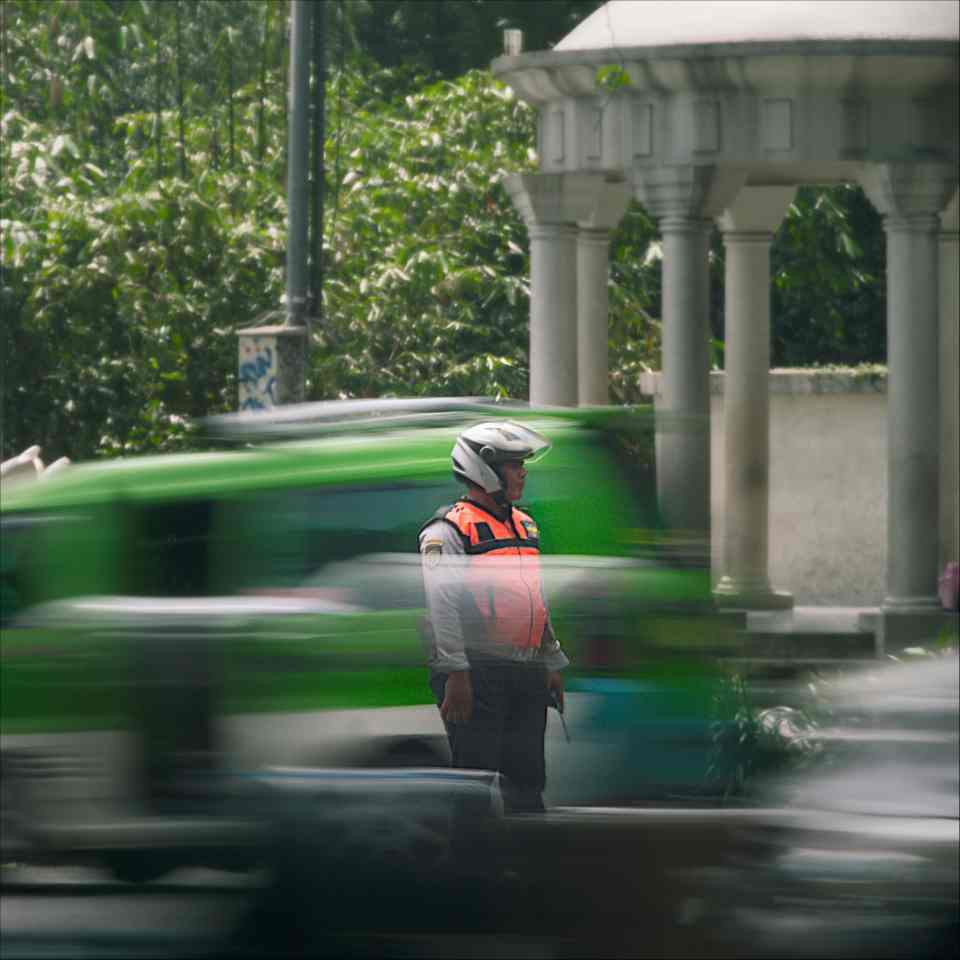
Most flaggers wear ANSI/ISEA 107 Class 2 safety vests for standard daytime flagging duty on local roads. For work on high-speed highways, night shifts, or low-visibility weather, Class 3 apparel is required. Exact requirements depend on state regulations, posted speed limits, and work zone conditions.
Flaggers work directly in the path of moving traffic, so visibility is a critical safety issue. Federal MUTCD standards set a baseline, and states may add stricter rules for color, coverage, and lower garments. Always confirm local DOT requirements before purchasing gear for flagging duty.
Key Takeaways
- Class 2 vests meet the federal baseline for most daytime flagging on roads under 50 mph.
- Class 3 vests are required for high-speed highways (over 50 mph), night work, and low-visibility conditions.
- Pair a Class 2 vest with Class E hi-vis pants to meet Class 3 ensemble requirements for night shifts.
Federal Baseline: Class 2 Is the Standard Minimum for a Vest

Regulatory Background
The federal Manual on Uniform Traffic Control Devices (MUTCD) sets the national rule for flagger apparel:
- Section 6D.03: All workers within the right-of-way in a Temporary Traffic Control zone must wear ANSI/ISEA 107 Class 2 or Class 3 high-visibility apparel.
- Section 6E.02: Flaggers specifically are held to the same Class 2/3 requirement, with approved background colors of fluorescent orange-red or yellow-green.
OSHA reinforces this rule through 29 CFR 1926.201, which ties flagger warning garment requirements directly to MUTCD Part 6 standards.
Class 1 apparel (the lowest ANSI tier) is never sufficient for flagging work. It is intended only for low-exposure settings off the roadway, where struck-by hazards do not occur at traffic speeds.
What Class 2 Provides
Class 2 vests include more fluorescent background material and retroreflective tape than Class 1, with clear outline definition of the human form. They are designed for use on roads with posted speeds up to 50 mph, where drivers have reasonable time to react to a worker in the travel way.
When Class 3 Apparel Is Required

Class 3 garments add significantly more high-visibility coverage (including sleeves and/or leg coverage) for higher-risk work zones. The general industry threshold for Class 3 flagging duty is posted speeds above 50 mph.
Why speed drives the requirement
At higher speeds, closing distance between traffic and the flagger increases dramatically. Drivers need more time to see, react, and slow down. Larger areas of fluorescent and retroreflective material extend detection distance and give drivers extra seconds to respond safely.
Common Class 3 flagging scenarios:
- Interstate and highway flagging operations
- Night work and dawn/dusk shifts
- Heavy rain, fog, or other low-visibility weather
- Incident response and roadside emergency work
Class 2 vs. Class 3: Side-by-Side Comparison
| Specification | Class 2 | Class 3 |
|---|---|---|
| Minimum background material | 775 sq. in. | 1,240 sq. in. |
| Minimum retroreflective material | 201 sq. in. | 310 sq. in. |
| Required coverage | Torso only | Torso + sleeves and/or leg coverage |
| Typical use case | Daytime flagging on roads <50 mph | High-speed highways, night work, low visibility |
| MUTCD status | Minimum baseline | Required for high-risk zones |
Day vs. Night Flagger Vest Requirements
Daytime flagging
A Class 2 vest in either approved color meets the standard for most daytime local road flagging operations. Mesh fabric is common for hot, humid work sites, while solid woven fabric works better for cooler weather and wind protection.
Nighttime flagging
Night work requires Class 3 level visibility. There are two compliant ways to meet this:
- Wear a full Class 3 vest with sleeves
- Pair a Class 2 vest with Class E high-visibility trousers
Class E pants are not compliant on their own. When worn with a Class 2 top, the combined ensemble meets Class 3 requirements. This modular approach gives crews flexibility to add leg coverage only when needed.
The retroreflective strips on moving legs create a biomotion effect at night: drivers instinctively recognize the movement of a human shape and react faster than they would to a static reflective shape. This is the primary safety reason leg coverage is required for night work.
How to Pick the Right Vest Class
Use this simple decision framework:
- Check posted speed first: Under 50 mph = Class 2 baseline; over 50 mph = Class 3.
- Check light conditions: Daytime = Class 2 minimum; night/low light = Class 3.
- Verify state and project rules: Some contracts require a higher class than the federal minimum.
- When in doubt, size up: If conditions are borderline (fog, heavy traffic, complex work zone), choose the higher visibility class. It is never a safety risk to be more visible than required.
FAQ
What class safety vest do most flaggers wear?
Most flaggers wear ANSI/ISEA 107 Class 2 vests for standard daytime work on local roads under 50 mph. Class 3 is required for high-speed highways and night shifts.
Is Class 2 enough for flagging at night?
No, a Class 2 vest alone does not meet nighttime requirements in most jurisdictions. You can reach Class 3 compliance by pairing a Class 2 vest with Class E hi-vis trousers, or by wearing a full Class 3 sleeved vest.
What color vest should a flagger wear?
Fluorescent orange-red and fluorescent yellow-green are the two MUTCD-approved background colors for daytime use. Night flagging typically requires orange for maximum contrast against headlights. Check your state’s specific rules before purchasing.
Does a hi-vis hard hat count toward vest compliance?
No. A hard hat provides head protection and adds extra visibility, but it does not replace the required vest. Apparel class is determined solely by the garment’s ANSI/ISEA 107 label rating.
How do I confirm a vest is actually compliant?
Check the interior garment label. A compliant vest will clearly list ANSI/ISEA 107 certification and the performance class number. Never rely on color alone to judge compliance.