
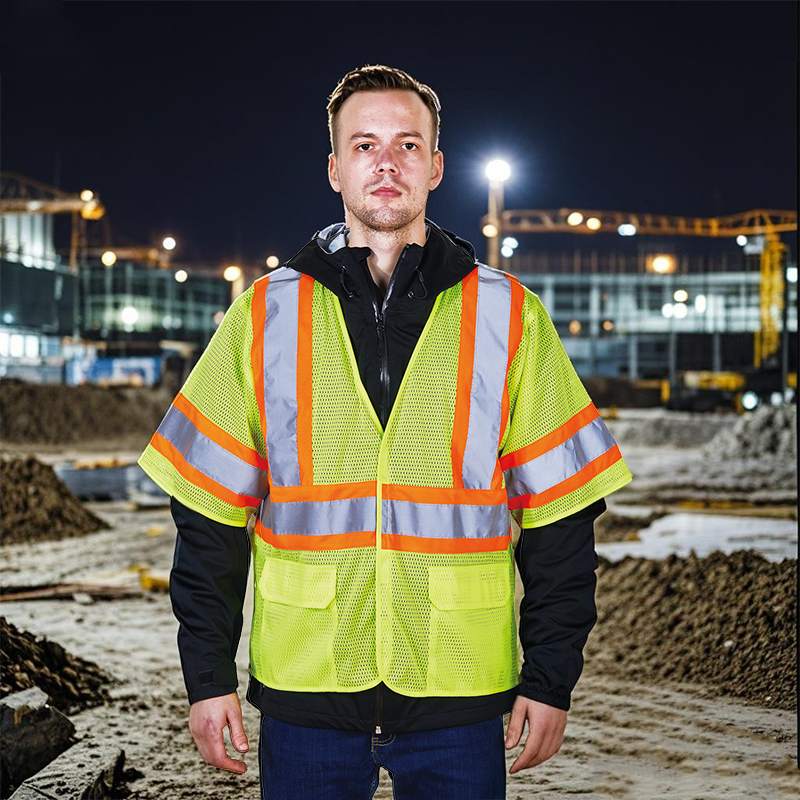
When you look at yellow and orange reflective vests, the biggest difference is their color. Each color helps people see you better. Both yellow and orange vests make you easy to spot on busy roads, in work areas, or outside in nature. Studies say orange vests help people react faster and see you better in forests. Here is a quick look at how they work:
- Orange vests: People react faster, especially in green places.
- Yellow vests: Look a bit brighter in cities with lots of concrete or roads.
Picking the right color helps keep you safe in different places.
Key Takeaways
- Pick orange vests for work in forests, deserts, or snow. Orange vests help you stand out from nature.
- Pick yellow vests for work in cities. Yellow vests are bright and easy to see in fog or low light.
- Always choose a vest color that fits your work area and lighting. This helps you stay safe and easy to see.
- Look for compliance tags on your vest. These tags show the vest meets safety rules like ANSI/ISEA 107 or EN ISO 20471.
- Wearing the right reflective vest lowers accident risks. It helps keep you safe in busy work places.
Yellow and orange reflective vests: Main differences

Color and visibility
When choosing between yellow and orange reflective vests, you need to consider the visibility of each color. Yellow vests are easily visible in cities, parking lots, and inside buildings, and stand out particularly well against dark surfaces. A yellow vest helps you remain visible in foggy or cloudy weather. Orange vests, on the other hand, are particularly noticeable in forests, deserts, and snow. Drivers will quickly notice orange because it represents caution and safety.
When working outdoors, you’ll clearly feel the difference between the two colors. Orange vests stand out against green trees, brown earth, or white snow, making them ideal for road construction workers, railroad workers, and anyone working near moving vehicles. Yellow vests perform best in busy cities, allowing you to stand out against gray concrete or brightly colored signs. Both colors use reflective strips, but background and lighting can affect how well people can see you.
Tip: Always look at your work area before picking a vest color. The right color keeps you safe and easy to spot.
The table below shows the use of yellow and orange reflective vests in different situations:
| Color | Best Use Cases | Visibility Conditions |
|---|---|---|
| Orange | Snowy fields, deserts, dawn/dusk, forests | Great for outdoor work with moving vehicles and warm tones |
| Yellow | Urban streets, daylight, overcast, indoor spaces | Stands out in fog, against dark surfaces, and artificial light |
The best effect is achieved when the vest’s color coordinates with the surrounding environment. Orange is suitable for natural environments and open areas. Yellow stands out particularly well in urban areas and dimly lit places.
Quick comparison summary
You can see the main differences between yellow and orange reflective vests in this table:
| Color | Visibility Strengths | Visibility Weaknesses |
|---|---|---|
| Yellow | Strong in daytime, fog, and urban settings. Peaks at wavelengths your eyes notice most. | Can blend in with bright sunlight on shiny surfaces. |
| Orange | High contrast in nature, eye-catching for drivers. | Not as bright as yellow in low-light or indoor areas. |
Here are some quick facts to help you choose:
- Orange vests are best in forests, deserts, and snowy places.
- Yellow vests stand out in cities, fog, and cloudy weather.
- Railway and highway workers often wear orange for better contrast with road signs.
- Delivery drivers and city workers like yellow for busy urban areas.
- Orange works well in natural places with lots of green or brown.
- Yellow is better in early morning, evening, or cloudy days.
Many people think any bright color is reflective, but only vests with special reflective strips work well at night or in low light.
Yellow and orange reflective vests can both help you stay safe. Your choice depends on your workplace, hours, and which color makes you stand out the most.
Why yellow and orange vests are used
Safety and visibility
Yellow and orange reflective vests help ensure people’s safety. These vests feature bright colors and shimmering stripes, making you stand out in a crowd. Drivers and machine operators can see you from a distance. The retroreflective material reflects light back towards the source, helping you remain visible at night or in dark environments. Some vests can even make you visible from 1000 feet (approximately 300 meters) away.
High-visibility clothing is used in the workplace to prevent accidents. Studies show that these vests can reduce the chances of injury. On construction sites, approximately 40% of fatal accidents occur when workers are not spotted. Mining operations use reflective vests to make workers more visible in dark areas. Railroad regulations require high-visibility clothing to be worn near railroad tracks. Workers in the oil and gas industry also wear these vests at night and inside refineries. Wearing high-visibility clothing helps companies comply with the Occupational Safety and Health Administration (OSHA) regulations. It also helps improve the company’s image and employee satisfaction.
Wearing yellow and orange reflective vests helps keep people safe and stops accidents in dangerous places.
Common industry uses
Different jobs require different colored vests. Orange vests are commonly used on highways and construction sites. Traffic controllers and large construction crews also wear orange vests because orange is highly visible in the natural environment. Municipal workers typically wear yellow vests to be more easily seen on busy streets and to match the color of their vehicles. Utility workers use both colors. Sometimes, vests are also printed with special patterns to indicate job duties or hazard information.
You can see yellow and orange reflective vests in many jobs. Construction workers, miners, railroad workers, oil and gas workers, and municipal workers all wear these vests to ensure their own safety and to make themselves visible to others.
Orange reflective vests: Advantages
Best environments for orange
Orange reflective vests are used in situations where increased visibility is crucial. Orange stands out against green trees, brown earth, and white snow. This color helps workers distinguish themselves in forests, deserts, and snowfields. Orange vests are also clearly visible at dawn and dusk, standing out against purple skies and dark ground. Workers on busy construction sites wear orange vests so others can quickly spot them at work. Construction sites also use orange vests because the color symbolizes caution and safety. Orange doesn’t blend into most backgrounds as easily as yellow. You’ll see orange vests on highways, in traffic departments, and on the uniforms of police and firefighters. The reflective strips on orange vests make them even more visible at night, which is especially important in dimly lit areas.
Orange vests help people stand out when the background is busy. They keep you safer around cars and when the light changes.
Standards and regulations
When choosing an orange reflective work vest, relevant regulations must be followed. The U.S. Occupational Safety and Health Administration (OSHA) mandates that traffic controllers wear orange or red warning vests. If visibility is poor, these vests must include reflective strips. North American and European high-visibility clothing standards follow ANSI/ISEA 107 and EN ISO 20471, respectively. These standards specify the required amount of reflective material for various types of vests. Failure to comply with these regulations may result in fines or legal action.
| Standard | Region | Class 1 Requirements | Class 2 Requirements | Class 3 Requirements |
|---|---|---|---|---|
| ANSI/ISEA 107 | North America | 217 sq in. of fluorescent material, 155 sq in. of retroreflective material | 775 sq in. of background material, 201 sq in. of retroreflective material | 1240 sq in. of background material, 310 sq in. of retroreflective material |
| EN ISO 20471 | Europe | 0.14 m² of background material, 0.10 m² of retroreflective material | 0.50 m² of background material, 0.13 m² of retroreflective material | 0.80 m² of background material, 0.20 m² of retroreflective material |
Make sure to check the compliance label on your vest. This label indicates that your vest complies with color and reflectivity regulations.
Yellow reflective vests: Advantages
Best environments for yellow
In urban work, you’ll often see yellow reflective vests. Yellow is highly visible, standing out against concrete and steel, and equally so on busy streets. A yellow vest helps you remain visible during the day and is equally effective on cloudy days. Delivery drivers, garbage collectors, and public transport workers all wear yellow vests. Yellow is even more noticeable in areas with dense signage and lighting. You’ll see yellow vests in parking lots, warehouses, and indoor spaces. Yellow is also visible on dark surfaces and can be helpful in foggy weather.
A yellow vest ensures your safety in busy areas. Shop windows and traffic lights can be distracting, and oncoming vehicles can make it difficult to see workers. Yellow quickly attracts attention, helping others spot you quickly. In low-light conditions, a yellow vest also provides better visibility, which is especially important in the early morning or evening. The reflective strips on a yellow vest further enhance your safety.
Tip: Pick yellow vests for city jobs or busy streets. They help you stay visible and safe in places with lots of things to see.
Standards and regulations
When choosing a yellow reflective vest, you must comply with relevant regulations. Safety standards ensure that your vest can protect you. The European standard is EN ISO 20471, and the North American standard is ANSI/ISEA 107. These standards specify the required amount of fluorescent and reflective materials and use a rating system to measure the protective performance of the vest.
| Standard | Region | Class System |
|---|---|---|
| EN ISO 20471 | Europe | Class 3 (≥ 0.80 m² fluorescent material, ≥ 0.20 m² retroreflective material), Class 2 (≥ 0.50 m² fluorescent material, ≥ 0.13 m² retroreflective material), Class 1 (≥ 0.14 m² fluorescent material, ≥ 0.10 m² retroreflective material) |
| ANSI/ISEA 107 | North America | Type (garment design) and Class (performance level) |
You should check the compliance tag on your vest. This tag shows your vest meets the safety rules. Meeting these standards helps you stay safe at work.
Choosing the Right Reflective Vest Color

Color choice factors
When choosing a reflective vest, ensure you are visible to others in your work area. The right color will help you stand out and ensure your safety. Here are some key factors to consider:
- Worksite environment: Pick a color that contrasts with your surroundings. Orange vests work best in forests, deserts, or snowy fields. Yellow vests shine in cities, parking lots, and indoor spaces.
- Lighting conditions: Think about the time of day. Yellow vests are easy to see in fog or low light. Orange vests grab attention at dawn, dusk, or in bright sunlight.
- Role distinctions: Some jobs use different colors for different roles. For example, supervisors might wear yellow, while workers wear orange.
- Compliance with standards: Some industries require certain colors. Always check if your job needs a specific vest color to meet safety rules.
Tip: Always match your vest color to your work environment and job role for the best visibility.
Practical selection tips
You certainly want your bulletproof vest to both protect you and meet all regulations. Here are some tips to help you choose the right vest:
- Choose vests in fluorescent colors like yellow-green or orange. These colors are easy for the human eye to spot.
- Look for vests that meet ANSI/ISEA 107 or EN ISO 20471 standards. These standards make sure your vest has enough bright and reflective material.
- Welwork Reflective Vests use high-quality materials and pass strict washing tests. EN ISO 20471 vests keep their brightness after 5 industrial washes at 60°C. ANSI/ISEA 107 vests last through 25 home washes.
- Check the table below to see how much material each vest class needs:
| Class | Background Material (m²) | Retroreflective Material (m²) |
|---|---|---|
| 1 | 0.14 | 0.10 |
| 2 | 0.50 | 0.13 |
| 3 | 0.80 | 0.20 |
- Welwork, as a trusted manufacturer and supplier, offers custom options. You can add pockets, choose breakaway designs, or request your company logo. You can also select special fabrics like flame-resistant or waterproof materials.
Note: Picking the right vest color and features helps you stay safe, follow the rules, and show your team’s identity.
You now know the key differences between yellow and orange reflective vests.
- Orange vests work best in forests, deserts, and snowy areas.
- Yellow vests stand out in cities, fog, and low light.
Choose your vest color based on your work area, lighting, and safety rules. Pick a vest that meets standards like EN ISO 20471 or ANSI/ISEA 107. The right color keeps you safe and easy to see.
FAQ
What makes a reflective vest “high visibility”?
High-visibility vests are visible because they use vibrant colors and reflective stripes. These features help you stand out in various environments. Standards such as EN ISO 20471 and ANSI/ISEA 107 define high-visibility clothing.
Can you wear yellow or orange vests at night?
Yes, you can wear a reflective vest in two colors at night. The reflective strips on the vest will reflect light back into the driver’s line of sight, helping you stay visible in low-light or dark environments.
Do certain jobs require a specific vest color?
Some jobs do require vests of specific colors. For example, highway traffic controllers typically wear orange, and municipal workers usually wear yellow. Always check your workplace’s regulations before choosing a vest.
How do you know if a vest meets safety standards?
Check the compliance label inside the vest. This label indicates that the vest conforms to EN ISO 20471 or ANSI/ISEA 107 standards. Wearing certified gear ensures greater safety.


