

Imagine you use sharp tools every day. You want to keep your hands safe. You may look for a cut-proof glove. But experts say no glove can stop all cuts. Gloves are called cut-resistant instead. This means they help lower the chance of getting hurt. There are many dangers in real life. More than 40% of hand injuries at work are cuts. About 53% are cuts or punctures. Picking the right glove helps you stay safe at work.
- There are no gloves that are cut-proof.
- Cut-resistant gloves help lower the chance of cuts.
- No glove can give full protection from cuts.
Key Takeaways
- No glove can stop all cuts. Gloves are only cut-resistant. They help lower the chance of getting cut.
- Pick gloves that match the dangers in your job. This helps you stay safe.
- Check the ANSI cut levels. This shows how much force a glove can handle before it gets cut.
- Do not make mistakes like picking the wrong material or size. Choose the right cut-resistant gloves.
- Use gloves as one part of your safety plan. Gloves do not take the place of careful work and safe habits.
What Is a Cut-Proof Glove?

Cut-Proof vs. Cut-Resistant
You may have heard the term “cut-resistant gloves.” Many people think this means gloves that can’t be cut by anything. However, in reality, no glove can withstand the cuts of all sharp objects. Therefore, we usually use “cut-resistant gloves.” These gloves protect your hands from cuts, but they don’t make you invulnerable.
Cut-resistant gloves use special materials to slow down or stop the cutting action of sharp edges. You’ll see these gloves in many industries, such as construction, food processing, and metalworking. The level of protection depends on the glove’s material and manufacturing process.
The table below lists common materials and the force required to cut them:
| ANSI Cut Level | Weight (in Grams) Needed to Cut Through Materials | Typical Materials |
|---|---|---|
| A1 | 200-499 | Polyester, cotton |
| A2 | 500-999 | Polyester, nylon |
| A3 | 1,000-1,499 | Nylon, cotton blends |
| A4 | 1,500-2,199 | Kevlar, HPPE, composite yarns |
| A5 | 2,200-2,999 | Kevlar, HPPE, steel fibers |
| A6 | 3,000-3,999 | Kevlar, HPPE, steel fibers |
| A7 | ≥ 4,000 | Kevlar, HPPE, steel fibers |
| A8 | ≥ 5,000 | Steel fibers, advanced composites |
| A9 | ≥ 6,000 | Steel fibers, advanced composites |
As can be seen, the higher the cutting grade, the greater the cutting force required. Gloves made of steel fibers or advanced composite materials offer the best protection. High-density polyethylene (HPPE), Kevlar, and steel fibers are common materials used in high-grade protective gloves. Some gloves are made from a blend of materials to balance safety and comfort.
Cut-resistant gloves help reduce the risk of injury, but they don’t protect you from all harm. You should always choose the appropriate gloves based on the nature of your work. For example, gloves for light work in the kitchen are different from gloves for cutting metal.
Why “Cut-Proof” Is Misleading
The term “cut-resistant gloves” can be misleading. It implies that these gloves will never be cut. This is not the case. Even the best gloves have limitations. Sharp tools, strong force, or repeated contact can all cut any glove.
Note: No glove is truly cut-proof. Gloves are only cut-resistant. You should never rely on gloves alone for safety.
Many people believe that leather gloves can prevent cuts. However, leather itself cannot stop sharp blades. Only gloves with special cut-resistant linings are effective. Some workers believe that wearing any gloves is foolproof. This false sense of security can lead to accidents.
Here are some common misconceptions:
- Cut-proof gloves do not exist; gloves are only cut-resistant.
- The term “cut-proof” is misleading because no glove offers absolute protection.
- Leather gloves are not cut-resistant unless they have a special liner.
- Many people think cut-resistant gloves are the same as cut-proof gloves.
- Relying only on gloves can make you less careful.
Cut-resistant gloves are typically made of materials such as fiberglass, steel, basalt, high-density polyethylene (HPPE), and aramid. These materials help protect hands but do not completely eliminate all dangers. For example, while HPPE is strong, it may lose its strength at high temperatures. Steel wire gloves may feel stiff and restrict hand movement.
Remember, gloves are only one part of safety precautions. You need to choose appropriate gloves based on your job and remain vigilant. No glove can replace meticulous work and good safety habits.
Cut-Proof Glove Standards
ANSI/ISEA Cut Levels
When choosing cut-resistant gloves, you need to understand their protection rating. The ANSI/ISEA 105 standard can help you compare different gloves based on their cut resistance. This standard uses nine cut resistance ratings, from A1 to A9. Each rating indicates the maximum cutting force the glove can withstand before being cut through. You can view the various ratings in the table below:
| Cut Level | Protection Description | Gram-Force Range |
|---|---|---|
| A1 | Light cut hazards | 200-499 grams |
| A2 | Light to medium | 500-999 grams |
| A3 | Light to medium | 1000-1499 grams |
| A4 | Medium cut hazards | 1500-2199 grams |
| A5 | Medium to heavy | 2200-2999 grams |
| A6 | High cut hazards | 3000-3999 grams |
| A7 | High cut hazards | 4000-4999 grams |
| A8 | High cut protection | 5000-5999 grams |
| A9 | High cut hazards | 6000+ grams |
WELWORK’s cut-resistant gloves meet ANSI and CE standards. This means you can get reliable protection that meets global safety regulations. The CE standard, EN 388, uses different ratings (A to F), but it also tests the impact force the gloves can withstand.
How Gloves Are Tested
You might wonder how experts test the cut resistance of gloves. They use specialized instruments to measure the force required to cut the glove material. The ANSI/ISEA 105 standard uses the ASTM F2992-15 test method. In this test, a sharp blade is moved across the glove, with the weight gradually increased until it cuts through. The greater the weight the glove can withstand, the higher its cut resistance rating.
Manufacturers like WELWORK follow these rigorous tests to ensure that every pair of cut-resistant gloves meets the appropriate rating. Always check the cut resistance rating before purchasing gloves. Choose gloves that match the risks of your work. For example, food processing might require A2 or A3 level gloves, while metalworking might require A6 or higher.
Tip: Always look for gloves with clear ANSI or CE markings. This helps you trust the glove’s protection.
Types of Cut-Proof Gloves
Materials and Features
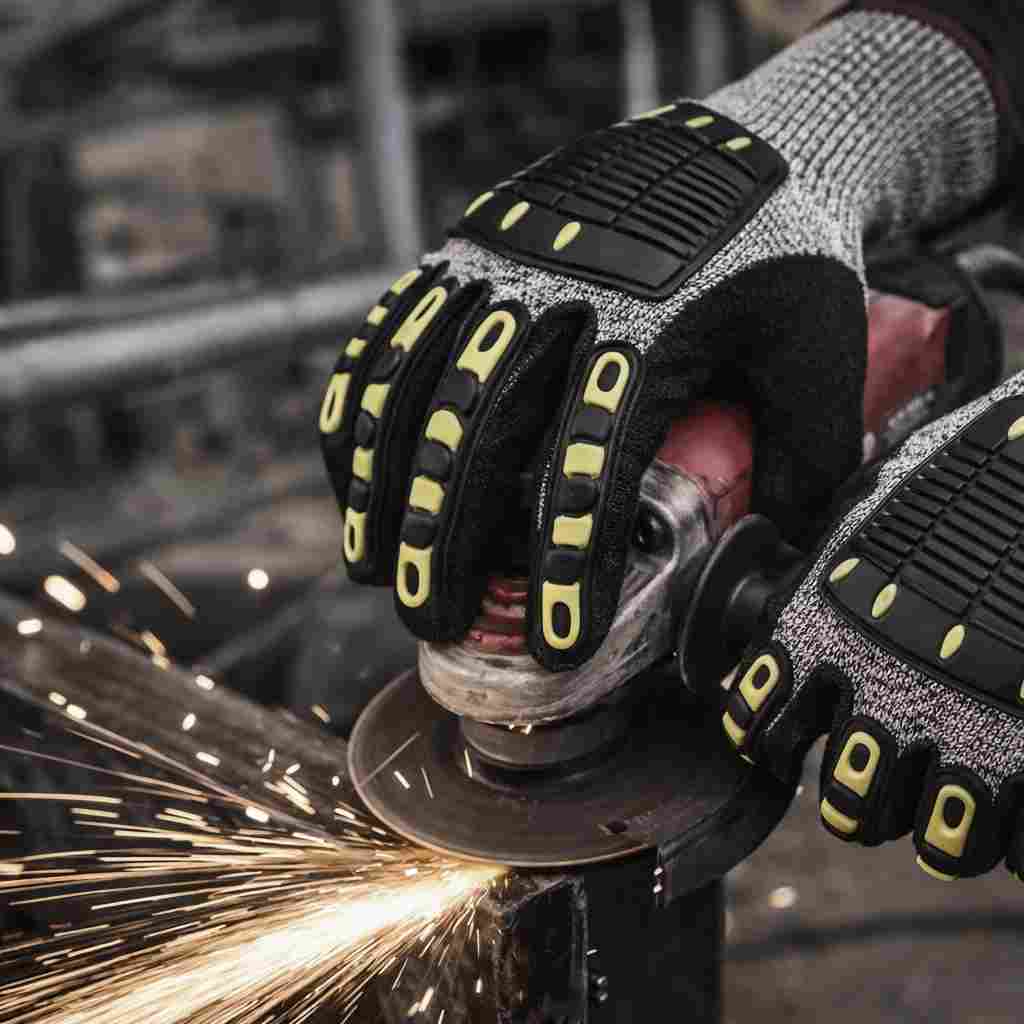
There are many types of cut-resistant gloves available on the market. Each glove uses different materials to protect your hands. WELWORK offers over 300 models to meet your various work needs. Key materials include nitrile rubber, leather, rubber, high-density polyethylene (HPPE), Kevlar fiber, steel wire, and composite yarns. Nitrile gloves effectively protect against oil and chemicals, especially suitable for wet or oily environments. Leather gloves are comfortable and scratch-resistant. Rubber gloves are flexible and waterproof.
Manufacturers use high-density polyethylene (HPPE) and Kevlar fiber to enhance the gloves’ cut resistance. Steel wire and fiberglass make the gloves safer in harsh working environments. Some gloves use a combination of these materials for improved safety. In addition, gloves may have special features such as heat resistance, water resistance, shock absorption, and enhanced grip. For example, WELWORK’s nitrile-coated gloves use micro-surface technology for a stronger grip. Many gloves are washable and resistant to chemicals, water, and sunlight.
| Material | Cut Resistance Level | Advantages | Disadvantages |
|---|---|---|---|
| Kevlar (Aramid Fiber) | Moderate | Lightweight, flexible, heat resistant | Degraded by UV exposure |
| HPPE / Dyneema | High | Strong, lightweight, excellent cut protection | Lower melting point |
| Steel & Metal Mesh | Very High | Maximum cut resistance, used in high-risk tasks | Heavy, inflexible |
| Fiberglass or Basalt Fiber | High | Boosts cut performance, very hard | Can cause skin irritation |
| Composite Yarns | High | Flexible, high cut protection | May cause stiffness |
Industry Applications
You should choose gloves appropriate for your job. Construction workers need gloves with strong cut protection because they will be using sharp tools and metal objects. Food processors wear mesh gloves to cut meat and vegetables. Welders use gloves that are heat-insulating and cut-resistant. Carpenters prefer gloves made of high-density polyethylene (HPPE) and Kevlar, which are both safe and comfortable.
WELWORK offers gloves suitable for all these jobs. You can choose gloves that are waterproof, shockproof, or have enhanced grip. Here are some common uses:
- Construction: Strong gloves for cutting and working with metal.
- Food Preparation: Mesh gloves for safe and clean meat and vegetable cutting.
- Welding: Gloves that protect from heat and cuts.
- Woodworking: Gloves that are safe and comfortable.
Tip: Always pick gloves that fit your work and risk. WELWORK’s big selection helps you find the best glove for your job.
Choosing the Right Cut-Proof Glove
Matching Glove to Task
You need to choose the right protective gloves for your job. Every job has its own risks. Cut-resistant gloves come in different grades. Lower-grade protective gloves are suitable for light work, such as handling paper or food. Higher-grade protective gloves can protect you from sharp tools or glass. You should carefully review the hazards in your workplace. Think about what you will be exposed to and how sharp they are.
The following steps can help you choose the right protective gloves:
- Identify the hazards in your work area.
- Check the cut resistance ratings, such as ANSI or EN.
- Look for other risks, like punctures or chemicals.
- Decide how durable your glove needs to be.
- Make sure your glove feels comfortable and lets you move your fingers.
- Pick the best material for your task.
- Review coating options for extra features.
- Choose the right size for your hand.
- Know your industry rules.
- Read what other users say about the glove.
- Try a sample glove before buying many.
WELWORK offers a wide range of options. You can choose gloves for construction, food processing, or welding. You can also have custom gloves made to meet your specific needs. WELWORK provides comprehensive after-sales support, including convenient returns and technical assistance. All of this is designed to provide you with a superior and safer experience.
Common Mistakes
Many people make mistakes when choosing cut-resistant gloves. You should avoid the following mistakes:
- Choosing the wrong material for your job.
- Using old gloves and missing new safety features.
- Picking gloves with too many features that you do not need.
- Not checking the risks before buying gloves.
- Selecting the wrong size, which can make gloves uncomfortable.
By following the steps above, you can avoid these mistakes. WELWORK’s custom glove options and robust support ensure your safety and satisfaction.
There is no such thing as cut-proof or puncture-proof gloves.
Choosing the right protective gloves can significantly improve cut protection. Hand injuries account for 15% of all workplace accidents, making the use of safety-compliant protective gloves crucial. Selecting the appropriate cut-resistant gloves based on your job requirements can reduce your risk of injury. In one case, choosing the right protective gloves reduced the hand injury rate by more than 80%. WELWORK offers a variety of options to help you ensure safety and make informed choices.
FAQ
What is the difference between cut-resistant and cut-proof gloves?
Cut-resistant gloves help protect your hands from cuts. However, no glove is truly completely cut-proof. You should always wear gloves as part of your safety precautions.
How do I know which cut level I need?
You should check for hazards in your work. Light physical labor requires low-cutting-grade gloves. Heavy physical labor involving sharp tools requires high-cutting-grade gloves. Always select appropriate protective gloves based on the risk level.
Can I wash cut-resistant gloves?
Most cut-resistant gloves are washable. Always check the care label. Washing helps keep the gloves clean and safe. If the gloves contain special fibers, avoid using hot water.
Do cut-resistant gloves protect against punctures?
Cut-resistant gloves can prevent cuts, but not punctures. Some gloves offer both cut and puncture protection. Check the protection rating of the gloves before use.


