
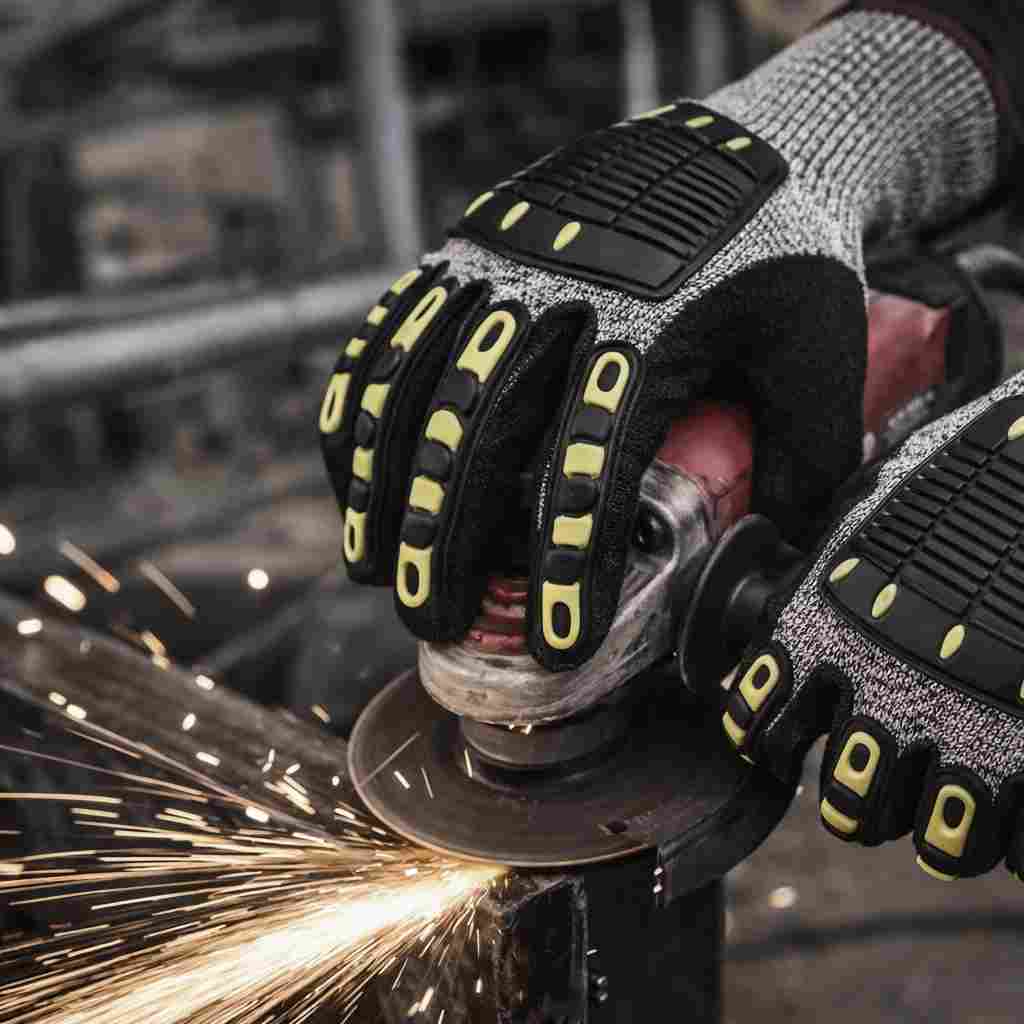
Level 5 cut proof gloves keep your hands safe from sharp things. They stop serious cuts and injuries. These gloves let you work safely around blades, glass, or metal edges. Many jobs need this strong protection for workers. You can see these gloves in construction, food processing, and metal work.
| Industry |
|---|
| Construction Industry |
| Glass Handling |
| Metal Work |
| Manufacturing Sector |
| Automotive Industry |
| Food Processing |
| Warehousing |
| Oil and Gas Industry |
Key Takeaways
- Level 5 cut proof gloves give strong protection from cuts. They help keep hands safe from sharp tools and materials. Many jobs need these gloves to keep workers safe.
- These gloves can handle a cutting force of 2200 to 2999 grams. This is much more than gloves with lower levels. They help make sure workers are safer.
- Picking the right gloves means thinking about fit, comfort, and grip. Good gloves help you work better and stop your hands from getting tired.
- Check for ANSI or CE certification labels on the gloves. These labels show the gloves meet tough safety rules for cut resistance.
- Level 5 gloves may cost more at first. But they last longer and work better. They can save money over time by stopping injuries and lost work.
Level 5 cut proof gloves overview

What makes them Level 5
You might be wondering what’s so special about Level 5 cut-resistant gloves. They can withstand much stronger cutting forces than other gloves. Safety organizations like ANSI/ISEA 105 test gloves for cutting loads. Level 5, or ANSI A5, means the gloves can withstand cutting forces of 2200 to 2999 grams. This strong protective performance makes them ideal for jobs involving the use of sharp tools or cutting glass.
If you look closely at level 5 gloves and compare them to lower-level gloves, you’ll see a significant difference:
- ANSI Level A1: 200 grams
- ANSI Level A5: 2200 grams
- ANSI Level A9: over 6000 grams
A protection rating of 5 indicates that the gloves meet the ANSI/ISEA 105 cut resistance standard and can withstand a cutting force of approximately 2200 grams, making them ideal for high-intensity work.
These data demonstrate that Level 5 cut-resistant gloves offer significantly better protection than ordinary gloves. You can rely on them when handling sharp objects.
Key features and benefits
Level 5 cut-resistant gloves offer much more than just cut protection. They also provide multiple functions to protect your hands and help you work more effectively:
- They help stop hand injuries at work.
- They give you better glove ratings for safety.
- They protect your hands in dangerous places.
- They make workers feel safer with sharp objects.
- They help you miss less work because of fewer injuries.
These Level 5 cut-resistant gloves are made with special materials that balance safety and comfort. You can confidently use sharp tools without worrying about cuts. These gloves help you focus on your work, improving efficiency and quality. You don’t need to remove the gloves to handle minor tasks; your hands are always safe.
Level 5 cut-resistant gloves are more durable than ordinary gloves. While the initial investment may be higher, you won’t need to replace them frequently, saving money, making them especially suitable for people who wear gloves frequently.
Some people believe that cut-resistant gloves don’t exist, or that the more cut-resistant the glove, the better. However, no glove can be completely cut-proof; the right glove depends on your job. Always choose gloves suitable for your work.
Wearing Level 5 cut-resistant gloves offers safety, comfort, and excellent value. Protect your hands, boost your confidence, and increase your daily work efficiency.
Materials Used in Level 5 Cut Proof Gloves
High-performance fibers and coatings
Level 5 cut-resistant gloves require very strong materials. These materials help protect your hands from sharp objects. Most Level 5 gloves use special fibers. These fibers make the gloves both strong and soft. Here are some fibers you might see:
- Steel: Makes gloves stronger for hard jobs.
- Glass fiber: Helps stop cuts and keeps gloves light.
- HPPE (High-Performance Polyethylene): Is strong and feels comfy.
- METALQ®: Gives extra protection for tough work.
- Aramid fibers (like Kevlar®): Are tough and can handle heat.
Some companies use better fibers to improve safety:
- Kevlar®: Is very strong but not heavy.
- Dyneema®: Is much stronger than steel if you compare weight.
- Spectra®: Does not get ruined by water or chemicals and stops cuts well.
The coating on gloves is also crucial to their performance. Common coatings include nitrile rubber, polyurethane, and matte finishes. These coatings help you grip tools, even when they are wet or oily. Nitrile rubber coatings can extend the life of the glove and increase its elasticity. Matte nitrile rubber coatings enhance grip, making the glove last far longer than uncoated gloves.
WELWORK glove materials and innovations
WELWORK produces high-quality Level 5 cut-resistant gloves using a variety of new materials. You can choose gloves made of nitrile rubber, leather, rubber, or special fibers. Each material has its own advantages:
| Material | Key Benefit | Best For |
|---|---|---|
| Nitrile | Great grip and lasts long | Wet or oily jobs |
| Leather | Stops scrapes and feels nice | Hard work |
| Rubber | Bends easily and protects | Everyday use |
| HPPE/Glass | Stops cuts and is light | Careful work |
WELWORK offers over 300 types of gloves to meet almost any job need. Some gloves are lined with fiberglass for ease of movement and cut protection. Others use yarns that conform to the shape of your hand, preventing fatigue even after prolonged wear. WELWORK also manufactures gloves for specialized tasks such as welding, cooking, or working in cold environments. Every pair of gloves provides you with safety and comfort.
By choosing WELWORK cut-resistant gloves, you will get safe materials and a clever design to protect yourself.
Standards and Testing for Level 5 Cut Proof Gloves
ANSI and CE certification
When choosing cut-resistant gloves, you’ll certainly want them to meet stringent safety standards. These standards are primarily set by two major organizations: ANSI in the United States and CE in Europe. These standards ensure that the gloves you purchase will effectively protect your hands during your work.
| Standard | Rating System | Cut Resistance Method | Highest Level |
|---|---|---|---|
| ANSI | 1-9 | ISO 13997 | A9 |
| EN 388 | 1-5 + A-F | Coup / ISO | F |
ANSI/ISEA 105 uses a rating system from A1 to A9, with higher numbers indicating stronger protection. European standard EN 388 uses numbers 1 to 5 and letters A to F. Both systems test the gloves’ cut resistance. You can find these markings on the glove label to confirm its effectiveness.
WELWORK ensures that every pair of gloves meets these standards. The company tests each glove to comply with ANSI and CE standards. This means that the gloves you receive have undergone rigorous safety testing before reaching you.
How cut resistance is measured
You might wonder how experts test the cut resistance of gloves. They use special machines and methods to test the strength of each pair of gloves.
| Test Standard | Test Method | Description | Cut Resistance Levels |
|---|---|---|---|
| ANSI/ISEA 105 | ASTM F2292-15 | Uses a tomodynamometer to measure the weight needed to cut through material. | A1-A9 |
| EN 388 | Coupe Test | A rotating blade moves over the glove under a set weight. | 1-5 |
| EN 388 | ISO 13997 | Uses a TDM-100 machine for high cut materials, giving a letter score. | A-F |
These tests demonstrate how much force or weight the gloves can withstand before being cut. WELWORK conducts these tests on every pair of gloves. You can rest assured that your gloves have truly tested protective capabilities. When you see the ANSI or CE mark, it means your gloves meet the highest safety standards.
Tip: When purchasing new gloves, always check for ANSI or CE labels. This helps ensure your workplace safety.
Applications of Level 5 cut proof gloves

Industries and tasks
Cut-resistant gloves are used in many jobs that involve handling sharp objects. These gloves protect hands from cuts. Workers in metal processing plants, glass factories, and automobile factories wear them daily. Workers in recycling centers and oil and gas fields also require robust gloves, as these places present unpredictable hazards.
The table below lists the scenarios and reasons for the use of these gloves:
| Industry | Application Description |
|---|---|
| Metal Fabrication | Used for sharp sheet metal, stamping, and metal work. |
| Glass Manufacturing | Used for big glass sheets, broken glass, and glass tools. |
| Automotive Industry | Used on assembly lines with sharp parts and stamped pieces. |
| Recycling Facilities | Used for sorting and handling things with sharp edges. |
| Oil and Gas Industry | Used for special dangers like sharp tools and gear. |
These gloves are also found in the construction and food industries. Workers handling timber, glass, or building materials need sturdy gloves. The table below lists some common jobs:
| Task Type | Description |
|---|---|
| Timber Handling | Needs gloves that stop sharp cuts. |
| Glass Handling | Has very high cut dangers. |
| Construction Work | Needs gloves to stop hand cuts. |
Tip: Be sure to choose the appropriate gloves for your job. This will protect your hands and improve work efficiency.
Specialized glove types
For specialized jobs, a variety of Level 5 protective gloves are available. WELWORK offers a range of gloves to meet different needs. Some gloves protect hands from impacts and cuts. Others are suitable for wet, oily, or cold environments. Here are some special gloves you might use:
- Impact and Cut Resistant Gloves
- Heavy-Duty Anti-Impact Gloves
- Tough Anti-Impact Work Gloves
- Anti-Cut Mechanical Safety Gloves
- Grey Seamless Anti-Cut Work Gloves
- Level 5 Cut Resistant Safety Gloves
- High-Level Cut Resistant Gloves
- 13-Gauge Anti-Cut Nitrile Gloves
- Anti-Cut Nitrile Work Gloves
- Steel Blend Cut Resistant Work Gloves
- High-Level Cut Resistant Nitrile coated Gloves
- High-Grade Cut Resistant Nitrile Gloves
You can choose gloves for welding, cooking, or cold weather. Every pair of WELWORK gloves is custom-made to meet your job requirements. They ensure safety and comfort wherever you work.
Choosing Level 5 cut proof gloves
Fit, comfort, and grip
You need a pair of gloves that fit comfortably. If the gloves are too tight, your hands will tire; if they’re too loose, they’ll slip off easily. The right size will allow you to work longer and more safely. The gloves should allow your fingers free movement and make it easy to grip tools. It’s recommended that workers try on different styles of gloves to find the one that best suits them.
The table below can help you check which factors are most important:
| Factor | Description |
|---|---|
| Proper Fit | Keeps gloves in place and stops hand fatigue. |
| Comfort | Lets you wear gloves all day without pain. |
| Dexterity | Lets you do small tasks and use tools well. |
| Grip | Helps you hold things safely, even if they are wet or oily. |
| User Involvement | Workers should give feedback on comfort and fit before choosing gloves. |
Tip: Try soft, stretchy gloves. These gloves help keep your hands cool and reduce fatigue.
Selecting the right glove for your needs
You should choose the appropriate gloves based on your job. Not every pair of gloves is suitable for every job. The following steps can help you make a selection:
- Try different glove styles to see what fits best.
- Ask workers for feedback on comfort and grip.
- Wear gloves for a full shift to check long-term comfort.
- Look at the job’s risks. Sharp tools or heavy parts may need stronger gloves.
- Check if the glove meets safety standards like ANSI or EN 388.
- Do not pick gloves that are too thick if you need to move your fingers a lot.
- Pick gloves with coatings for better grip and longer life.
You can also consult WELWORK for customization options. WELWORK offers logo and graphic design services with a minimum order quantity of 5,000 pairs. Custom packaging is also available. This helps enhance your team’s professional image and facilitates glove tracking.
WELWORK provides after-sales support for any questions. Contact us to find the perfect cut-resistant gloves for your team.
You need to understand how cut-resistant gloves can protect your hands at work. The right materials and standards are crucial for safety:
- High-density fibers and aramid blends boost cut resistance.
- Stainless steel core yarns help stop sharp edges.
- Seamless knits and reinforced palms add strength.
- Tests like ASTM F2992-15 show how much force the glove can handle.
Choose gloves that fit well and are suitable for your work. WELWORK offers a wide selection and support to help you stay safe every day.
FAQ
What does “Level 5 cut resistance” mean?
A cut resistance rating of 5 means this glove can withstand cutting forces of 2200 to 2999 grams. It provides strong protection for your hands when using sharp tools or materials.
How do I know if my gloves are Level 5?
Check the gloves label for ANSI A5 or EN 388 Level 5 markings. You can also look for CE or ANSI certification marks. These marks indicate that the gloves have passed rigorous safety testing.
Can I use Level 5 gloves for food preparation?
Yes, you can use Level 5 protective gloves in the kitchen. Many food handlers wear these gloves for safety when cutting meat, vegetables, or bread. Be sure to choose gloves labeled “Food Safety”.
How long do Level 5 cut proof gloves last?
The lifespan of gloves depends on the frequency of use and the type of work. Most gloves can last for several weeks with daily use. If you find cuts, holes, or wear on the gloves, replace them immediately.


