

You may hear people call high-visibility jackets hi-vis jackets, safety jackets, or reflective jackets. Using the right name helps you follow safety rules at work. These jackets have different classes. Class 1 is for places with little traffic. Class 3 is for areas with more danger. Special rain gear also helps people see you better outside.
Key Takeaways
- High-visibility jackets have different classes. The classes are 1, 2, and 3. The class depends on how dangerous the work is. Pick the right class to stay safe.
- Always look for ANSI or EN ISO tags on jackets. These tags show the jackets are safe and strong.
- For bad weather, pick high-visibility rain gear. Make sure it is waterproof and has reflective parts. This will keep you dry and easy to see in tough weather.
High-visibility jackets terminology

Common names and abbreviations
People use a variety of names for high-visibility jackets, such as “high-visibility jacket,” “safety jacket,” or “reflective jacket.” These names sound similar, but their meanings are not exactly the same. A “high-visibility jacket” refers to any brightly colored jacket with reflective stripes. A “safety jacket” refers to any jacket that ensures worker safety, not just increases visibility. A “reflective jacket” refers to a jacket with reflective stripes that glow in sunlight.
Tip: Always read the label or product info to pick the right jacket for your job.
Companies use these names when selling jackets in bulk or as custom orders. You may see these terms in product catalogs, websites, or safety manuals. The table below shows the differences between various high-visibility jackets:
| Class | Visibility Level | Applications | Features | Limitations |
|---|---|---|---|---|
| Class 1 | Basic protection, lowest visibility | Warehouse workers, delivery drivers, parking attendants | Bright colors, minimal reflective material | Not suitable for high-risk environments |
| Class 2 | Moderate protection, more reflective material | Road construction, utility work, survey teams | Reflective stripes on torso, more coverage | Suitable for higher-risk environments |
| Class 3 | Maximum visibility and protection | Emergency responders, highway workers, tow truck operators | Full-body visibility with reflective stripes | Suitable for extreme hazards |
Each class is made for a different kind of job. Picking the right class helps keep you safe and follow the rules at work.
Official terms and standards
Understanding the official names and regulations for high-visibility reflective vests is crucial. These regulations help you choose the right gear and comply with safety regulations. In the United States, the relevant regulations are defined by the ANSI/ISEA 107-2020 standard. In Europe, EN ISO 20471 is the primary standard. Both standards classify reflective vests based on their visibility and material.
| Standard | Description |
|---|---|
| EN ISO 20471 | Sets performance class, minimum area of high-visibility material, and durability requirements for PPE. |
| ANSI/ISEA 107-2020 | Groups high-visibility apparel into three performance classes with specific material requirements. |
These rules also specify how jackets are tested. Manufacturers check the color, the gloss of the tape, and the jacket’s durability after washing. Some non-company laboratories also test these items. This ensures the jacket meets standards. If you buy from a reputable company, you can request proof that the jacket has passed the tests.
Note: Good records and special marks show your high-visibility jackets are safe.
Related apparel: vests, rain gear, and ponchos
High-visibility jackets aren’t the only safety garments available. Vests, raincoats, and ponchos also help improve visibility. Vests are lightweight and suitable for hot weather or indoor work. Ponchos and raincoats, such as those from the WELWORK brand, keep you dry and visible to others in rain or wind. These garments feature bright colors and reflective strips to ensure drivers and machine operators can see you even in inclement weather.
- High-visibility rain gear often includes:
- Waterproof jackets and pants
- Hooded raincoats
- Ponchos with reflective strips
These items use special types of tape. You might see sewn-in tape, hot melt tape, segmented tape, or prism tape. Each type of tape has its own advantages, such as good flexibility, high strength, or better performance in rain.
When choosing high-visibility jackets or other safety clothing, choose products that meet ANSI or EN ISO standards. This ensures you get the right safety gear for the job. You can find the products you need by purchasing in bulk or by customizing equipment from companies like WELWORK.
Types and classes of high-visibility jackets
Types: O, R, and P
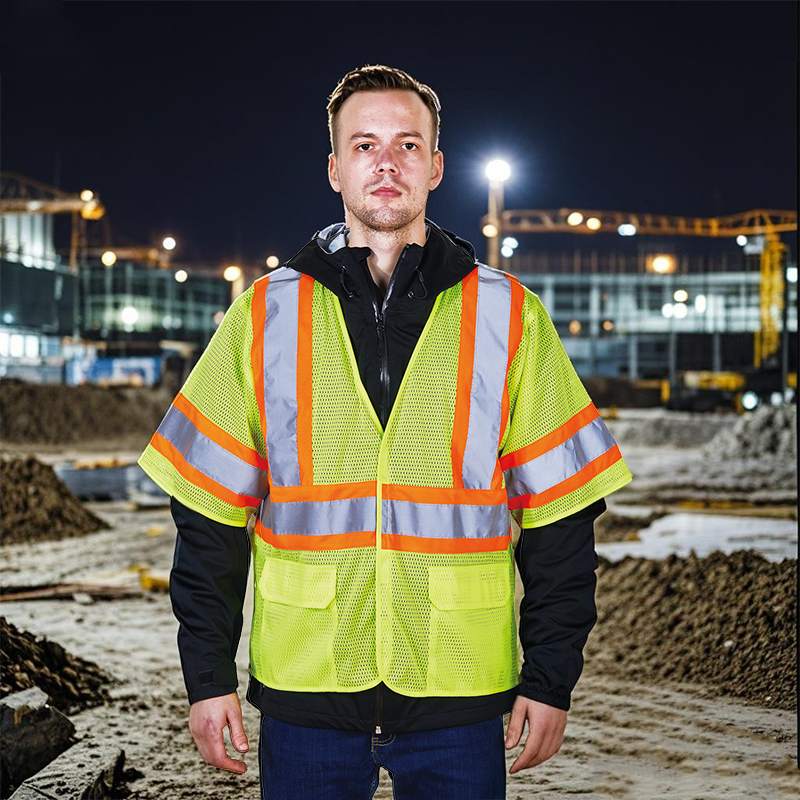
High-visibility reflective vests are mainly divided into three types. Each type is suitable for specific work occasions. The table below lists their differences:
| Type | Description | Associated Professions | Visibility | Protection Level |
|---|---|---|---|---|
| O | Non-roadway use | Warehouse workers, off-road jobs | Good | Basic |
| R | Roadway use | Construction, traffic control | Superior | Moderate |
| P | Public safety | Police, firefighters, EMTs | Excellent | Highest |
An O-type driver’s license is for jobs that are not near roads, such as warehouse workers. An R-type driver’s license is for people who work near moving vehicles, such as road construction workers. A P-type driver’s license is for police officers, firefighters, and emergency responders who need to be seen in busy traffic.
Classes: 1, 2, and 3
High-visibility reflective vests are divided into three levels. Each level corresponds to a different level of danger.
| Class | Description | Typical Use |
|---|---|---|
| Class 1 | Minimum visibility for low-risk jobs with slow traffic (under 25 mph) | Parking attendants, warehouse |
| Class 2 | More visibility for medium-risk jobs with faster traffic (over 25 mph) | Crossing guards, airport staff |
| Class 3 | Maximum visibility for high-risk jobs with fast traffic (over 50 mph) | Road crews, emergency responders |
You should choose the grade that suits your job. The higher the grade, the brighter and shinier the material, and the higher the security.
Color and material significance
Color and material are crucial for safety. Bright colors, such as yellow-green and orange-red, make you more visible during the day. Reflective strips help people see you at night or in low light. Fabrics need to maintain their vibrant colors and resist fading after washing. Reflective strips are sewn onto the jacket to outline your silhouette, making you visible to drivers from all directions.
Tip: High-visibility rain gear, like WELWORK’s, uses waterproof fabric, sealed seams, and reflective strips in smart places. This keeps you dry and easy to see, and meets both type and class rules for safety.
When picking high-visibility jackets, check for the right type, class, and color. This helps you stay safe and follow work rules.
You should use the correct terminology to describe high-visibility reflective vests. This will help you ensure your safety and adherence to work regulations. Understanding the types, grades, and standards of reflective vests will help you choose the most appropriate gear.
- Hi-vis jackets help people see you better and prevent accidents.
- For bad weather, choose rain gear that is waterproof and has reflective parts.
| Benefit | Description |
|---|---|
| Extends visible distance | Workers can be seen from more than 300 feet away |
| Effective in all weather | Retroreflective materials keep you visible in the rain |
FAQ
What is the main purpose of a high-visibility jacket?
You wear a high-visibility jacket so that others can see you more easily. This helps prevent accidents, especially in the dark or in bad weather.
How do you know if a jacket meets safety standards?
Check for ANSI/ISEA or EN ISO labels. These labels indicate that the jacket has undergone tests for color, gloss, and durability.
Can you wash high-visibility jackets?
Yes, these coats are washable. But please always read the care label first. Too many washes may cause fading or damage to the sheen.


