

You might know cotton gloves by different names. Some common ones are cotton work gloves, string knit gloves, canvas gloves, jersey gloves, inspector gloves, labor protection gloves, and terry gloves. These names show how each type is used for different jobs and has special features.
WELWORK is a leading maker of safety gloves. They make cotton gloves for many kinds of work.
| Common Name | Applications |
|---|---|
| All cotton gloves | Used for many jobs, handling small parts, light factory work, car work |
| Lisle/inspectors | Stops oil and grease from getting on things, used in electronics work |
| Chore gloves | Used in farming, oilfields, and foundries |
| Double palms | Used in oilfields, foundries, and for light heat jobs |
| Hot mill | Used for medium heat and some foundry work |
Key Takeaways
- Cotton gloves have many types. These include work gloves, string knit, and canvas gloves. Each type is made for a special job.
- Picking the right cotton gloves depends on your task. Think about comfort, fit, and safety. These things help keep your hands safe.
- Cotton gloves can be used again. They are good for the environment. They help cut down on waste and save money over time.
- Taking care of cotton gloves helps them last longer. Wash them gently and let them air dry. This keeps them in good shape.
- Brands like WELWORK make many kinds of cotton gloves. These gloves meet safety rules for different jobs.
Common Names for Cotton Gloves
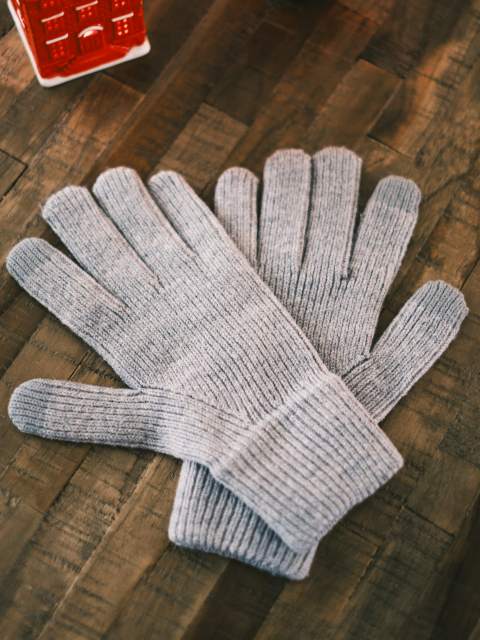
Cotton gloves come in many different names when you need to protect your hands. Each name represents a different style or purpose. Here are some of the most common types you’ll encounter at work or in your daily life.
Cotton Work Gloves
Cotton work gloves are very popular. They are used in many jobs because they are comfortable and durable. These gloves help you hold tools and protect your hands from dirt and minor cuts. They are worn in auto repair shops, farms, and construction sites. They can also be found in the electronics and packaging industries. WELWORK’s cotton work gloves meet safety standards.
| Type of Cotton Glove | Distinguishing Features | Typical Uses |
|---|---|---|
| Cotton Work Gloves | General-purpose, comfortable, durable | Automotive, Agriculture, Construction, Electronics |
String Knit Gloves
These knitted gloves are machine-molded in one piece, offering excellent breathability and freedom of movement. They allow for free finger movement and keep hands cool. These gloves are suitable for sorting, assembling items, or light warehouse work. They are lighter and fit the hand better than other cotton gloves. WELWORK manufactures knitted gloves for a wide range of applications.
| Feature | String Knit Gloves | Other Cotton Gloves |
|---|---|---|
| Construction | Seamless knit | Woven or cut-and-sewn |
| Dexterity | High | Moderate to low |
| Breathability | High | Varies |
Canvas Gloves
Canvas gloves are woven from cotton fabric, making them strong and durable. They are ideal for demanding jobs requiring both safety and flexibility. They are frequently chosen by auto mechanics, farm workers, and construction workers. They are also suitable for gardening and patio work. WELWORK canvas gloves are durable and suitable for high-intensity use.
- Made from woven cotton canvas for strength
- Used in automotive, agriculture, construction, and landscaping
Jersey Gloves
These knitted gloves are soft and comfortable to the touch. Made from a durable cotton-polyester blend, the fabric is breathable and keeps hands dry. Suitable for gardening, construction, or light warehouse work, these gloves help you grip items and protect your hands during long hours of work.
| Benefit | Description |
|---|---|
| Comfort | Soft feel, breathable, reduces discomfort |
| Durability | Resists wear and tear, good for demanding tasks |
| Versatility | Useful in construction, gardening, and other industries |
| Breathability | Wicks moisture, keeps hands comfortable |
Inspector Gloves
Inspection gloves help you avoid leaving marks or dust when handling fragile items. You’ll find them in jobs such as quality inspection, electronics manufacturing, and jewelry making. These gloves are snug, lightweight, and comfortable, allowing your fingers free movement. Many inspection gloves are washable and reusable, saving you money and being environmentally friendly. WELWORK sells inspection gloves suitable for cleanroom and inspection work.
- Prevent fingerprints and contamination
- Used in quality control, electronics, and jewelry inspection
- Reusable and washable
Labor Protection Gloves
Work gloves are a common term in the glove industry, referring to a variety of cotton gloves designed to protect workers’ hands. You’ll find these gloves in factories, warehouses, and farms. They protect your hands from dirt, minor cuts, and high temperatures. WELWORK provides work gloves for numerous workplaces, ensuring your safety at work.
Note: “Labor protection gloves” is a widely used name for cotton gloves in workplaces.
Terry Gloves
These towel gloves are made from special cotton or cotton-polyester blend fabrics with absorbent loops. They effectively protect hands from heat burns and keep them dry. You can wear towel gloves in places where you handle hot materials, such as kitchens, bakeries, or foundries. Some towel gloves can withstand temperatures up to 300°F (approximately 149°C). The longer design covers the wrist and forearm for enhanced protection. WELWORK towel gloves are trusted for their superior heat resistance and comfort.
You can purchase a wide variety of cotton gloves from reputable manufacturers like WELWORK. Each type of glove has its own advantages, so you can choose the right gloves for your job.
Types and Variations of Cotton Gloves

Cotton gloves come in a wide variety of types and styles. You can choose general-purpose gloves suitable for everyday household chores, or styles designed specifically for special jobs. Each type of glove differs in terms of comfort, safety, and protection.
White Cotton Gloves
White cotton gloves are often used on formal occasions. People wear them during ceremonies or when handling fragile items. They are soft to the touch and breathable. However, compared to other gloves, they are less durable and offer slightly less grip.
| Feature | White Cotton Gloves | Other Color Variations |
|---|---|---|
| Intended Use | Ceremonial, formal performances | Active work, color guard, industry |
| Material | Basic cotton, breathable | Nylon, spandex, technical fabrics |
| Durability | Less durable | Reinforced for tough tasks |
| Moisture Management | No moisture-wicking | Quick-drying, moisture-wicking |
| Fit and Comfort | Basic fit | Adjustable closures, better fit |
| Grip | Minimal grip | Excellent grip for equipment |
| Maintenance | Machine washable | Machine washable, frequent use |
Bleached and Unbleached
Cotton gloves can be bleached to a bright white or left unbleached. Bleached gloves look neat and presentable, suitable for formal occasions. Unbleached gloves retain their natural color. Both types of gloves are durable and suitable for most jobs. Washing and reusing gloves helps reduce waste and protect the environment. Washing in cold water also saves energy.
Fingerless Styles
Fingerless cotton gloves allow for greater finger dexterity. You can wear them to type or use tools.
- Your fingertips stay open for better touch
- Air moves in to keep hands cool
- They dry faster than full gloves
- You can use touchscreens easily
- Palms and wrists stay safe from scrapes
Glove Liners
Glove linings make other gloves more comfortable and safer. They wick away sweat, keeping your hands dry. You can wear a lining if you have sensitive skin or want extra warmth. Liners also prevent chafing, so your hands won’t hurt after long hours of work.
Coated Cotton Gloves
Coated cotton gloves have a coating on the palms and fingers. This coating helps with gripping, prevents oil from seeping in, and blocks some chemicals. Different coatings are suitable for different jobs.
| Coating Type | Features | Applications |
|---|---|---|
| Latex | Strong grip, flexible, not oil-resistant | Construction, wet work |
| Nitrile | Oil and chemical resistant, tough | Industry, automotive, chemical handling |
| PVC | Waterproof, abrasion-resistant | Heavy industry, manufacturing |
Tip: You can wash and reuse cotton gloves. This saves money and helps the planet.
Uses of Cotton Gloves
Industrial Applications
Cotton gloves are widely used. They protect hands in transportation and warehousing work. People also wear cotton gloves in gardening and on assembly lines. These gloves help you grip tools and parts better and protect your skin from dirt and minor cuts. ANSI/ISEA 105 standards guide manufacturers like WELWORK on how to produce safe cotton gloves. This standard helps you and your employer choose the right cotton gloves for each job. WELWORK’s cotton gloves meet these safety standards and are suitable for both indoor and outdoor work.
Tip: Always make sure your gloves meet safety rules before you start a new job.
Household and Personal Use
Cotton gloves can make many household chores easy. You can wear them for cleaning or dusting, and they’re also suitable for handling fragile items. These gloves are soft to the touch, breathable, and won’t cause discomfort even after wearing them for a long time. They also prevent fingerprints and skin oils from staining glass or old items. You can also use them for simple chores such as sorting or packing. Many people choose cotton gloves for gardening or crafting because they are soft, comfortable, and reusable.
- Soft and let air in for comfort
- Stop marks on fragile things
- Good for easy chores and crafts
Inspection and Medical Use
You may need cotton gloves for inspections or medical work. Inspectors wear cotton gloves to check products and avoid leaving traces. In laboratories or cleanrooms, these gloves prevent dust and oil from contaminating items. Some healthcare workers wear cotton gloves inside other gloves for added comfort and to absorb sweat. WELWORK offers inspector gloves for inspection and cleaning purposes. These gloves are washable and reusable, reducing waste.
| Application | Benefit |
|---|---|
| Inspection | No fingerprints or dust |
| Medical Liners | Extra comfort, absorbs sweat |
| Clean Rooms | Keeps items contamination-free |
Choosing Cotton Gloves
Material and Fit
Several factors need to be considered when choosing the right cotton gloves. The material is the most important. Cotton gloves are soft to the touch and breathable. You should check if the gloves have extra layers or coatings for enhanced protection. A good fit is also important. Well-fitting gloves allow for free movement of your fingers and protect your hands. If you need to handle small parts or grasp tools, choose gloves that match your hand size. Here are some suggestions to help you make your choice:
- Think about the task you will do. Some jobs need thicker gloves for safety.
- Check for hazards like sharp objects or heat.
- Make sure the gloves meet safety standards such as ANSI or OSHA.
- Look for gloves with good grip if you handle slippery items.
- Choose gloves that let you move your fingers if you need precision.
Intended Use
Your job will dictate your choice. If you’ll be handling antiques or fragile items, cotton gloves will protect them from skin oils and dirt. For tasks requiring more delicate handling, you might need gloves that fit the shape of your hand better or have a lining. Cotton gloves are comfortable and breathable, making them ideal for jobs that require comfort and breathability, such as cleaning, gardening, or packaging. If you need to avoid getting lint on your hands, nylon-lined gloves might be more suitable. For best results, always choose the appropriate type of gloves based on your job.
Tip: Pick gloves based on the demands of your work. Comfort and protection should come first.
Care and Maintenance
Properly caring for gloves can help extend their lifespan. Cotton gloves should be washed with a mild detergent and warm water. Gently rub to remove dirt. Rinse until the water runs clear. Wrap in a towel to absorb excess water. Lay flat to air dry. Avoid using hot water or vigorous washing. Replace gloves if you find holes or thinning. Reusable gloves are environmentally friendly because they can be washed and reused. This reduces waste compared to disposable gloves.
| Care Step | Description |
|---|---|
| Washing | Use mild detergent and warm water |
| Cleaning | Gently rub to remove dirt |
| Drying | Air dry flat, avoid heat |
| Replacement | Change gloves if damaged |
Reusable cotton gloves help reduce waste in landfills, thus protecting the planet.
You already know that cotton gloves have many other names, such as work gloves, knitted gloves, canvas gloves, and towel gloves. Each type of glove is suitable for different jobs. When choosing gloves, consider comfort, fit, durability, and whether they meet your job requirements. High-quality gloves protect your hands and help you work better. Cotton gloves are reusable and environmentally friendly. Reputable brands like WELWORK offer a wide range of certified safety gloves to meet your diverse needs.
FAQ
What are the main benefits of cotton gloves?
These cotton gloves are comfortable and breathable, providing light protection and helping to keep hands dry. They are washable and reusable, saving you money and being environmentally friendly.
Can you use cotton gloves for food handling?
Yes, you can wear cotton gloves when handling food. Cotton gloves keep food clean and protect your hands from grease and grime. Always use clean gloves when handling food.
How do you wash cotton gloves?
Wash cotton gloves with warm water and mild soap. Rinse thoroughly and let them air dry. Do not use bleach or hot water. This will keep the gloves soft and durable.
Are cotton gloves safe for people with allergies?
Most people with sensitive skin can wear cotton gloves. The cotton material is gentle and will not cause irritation. If you have a history of allergies, please check for any added ingredients before use.
Where can you buy quality cotton gloves?
You can purchase quality cotton gloves from trusted brands like WELWORK. Please choose gloves that meet safety standards. Many physical stores and online shops offer a variety of gloves suitable for work or home use.


