

You need the right gloves for your job. Work gloves and mechanic gloves have different strengths because you face different risks at work. Mechanics often work around sharp parts, hot surfaces, oil, and chemicals. These hazards mean you need gloves that protect your hands and let you move easily. Picking the right glove keeps you safe and helps you work better.
Key Takeaways
- Pick gloves that match your job dangers. Work gloves keep your hands safe from rough things. Mechanic gloves help you hold things better. They also protect from oil and chemicals.
- Think about what the gloves are made of. Work gloves are often leather or cotton. Mechanic gloves use nitrile or neoprene. These materials bend easily and block chemicals.
- Make sure the gloves fit your hands well. Good fitting gloves stop injuries. They also feel better, especially if you work a long time.
- Look for gloves with safety marks. Gloves with ANSI or EN marks protect you well. They guard against cuts, hits, and chemicals.
- Try the gloves for grip and movement. Make sure you can hold tools and small things. This is important if things are oily or wet.
Work Gloves vs. Mechanic Gloves: Overview & Features
Main Uses
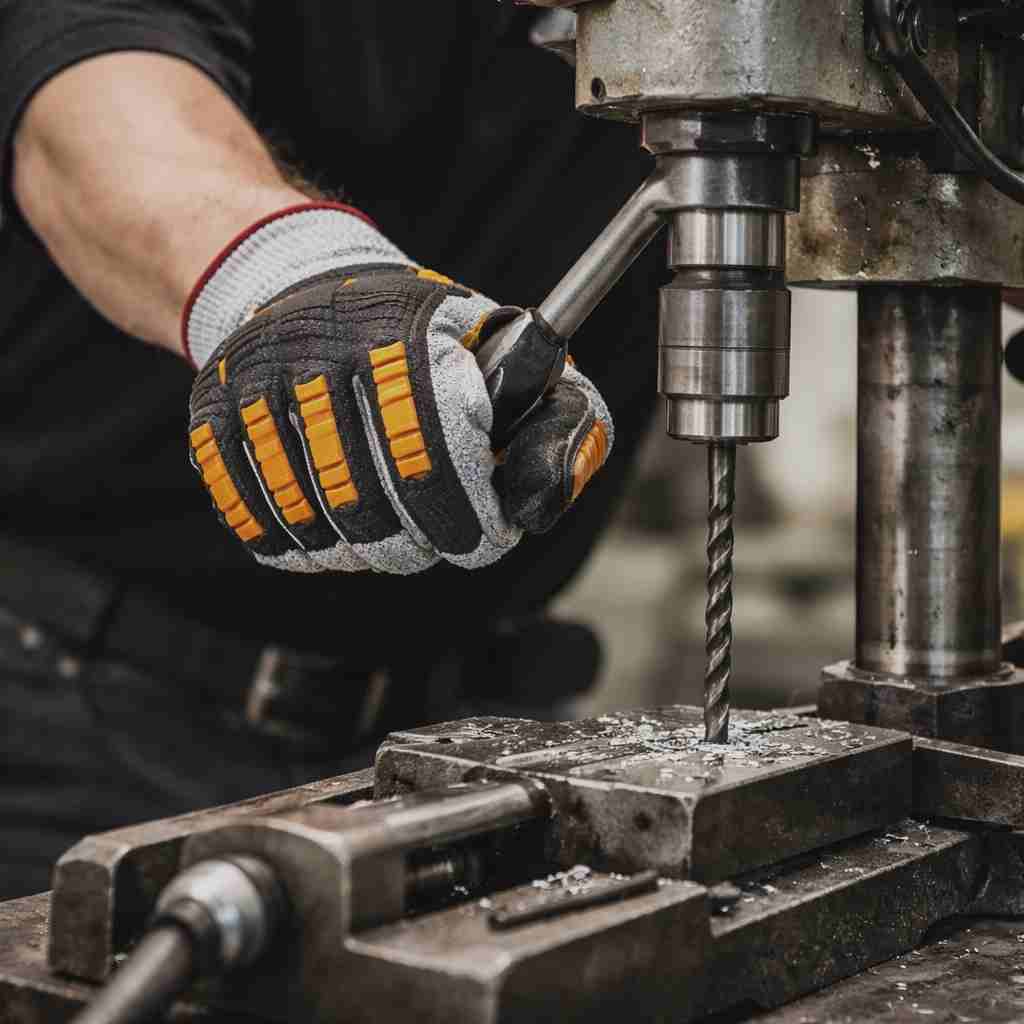
Work gloves have a wide range of uses, such as on construction sites, gardening sites, and in factories. They protect hands from rough objects and splinters, and offer protection against minor chemicals. Machine gloves, on the other hand, are designed specifically for repairing cars and machinery, and are especially important when using sharp tools or handling oily parts. They help you handle small parts, protect your hands, and allow you to work more carefully.
| Type of Gloves | Primary Functions | Key Features |
|---|---|---|
| Work Gloves | Protect hands from abrasion, dirt, and mild hazards | Durable, basic grip, thermal protection |
| Mechanic Gloves | Protect hands during automotive and mechanical tasks, allow dexterity | Enhanced grip, oil resistance, finger sensitivity |
Materials
Work gloves are typically made of leather, cotton, or vinyl. These materials are durable and effectively protect hands. Machine gloves use nitrile rubber, neoprene, and sometimes leather. Nitrile rubber prevents oil and chemicals from contacting the skin. Neoprene is flexible and also repels chemicals. Leather helps protect hands from high temperatures during welding.
| Material | Properties | Impact on Performance |
|---|---|---|
| Leather | Heat resistance, durability | Good for welding and high-heat tasks |
| Nitrile | Flexibility, chemical resistance | Protects against oils and solvents |
| Neoprene | Flexibility, chemical resistance | Helps with dexterity and chemical protection |
Features
Work gloves provide basic protection and grip. Some work gloves have thickened palms and warm linings. Machine gloves have reinforced fingertips and an oil-resistant coating. They also feature special anti-slip zones. These features help you grip smooth or sharp objects. Many machine gloves also have cut-resistant linings to protect your knuckles.
Tip: Pick gloves with textured palms if you need better grip in wet or oily places.
Common Applications
Work gloves are used in construction, gardening, and warehouse handling. Machinery gloves are best suited for repairing cars, engines, and welding. You can also use them for roadside assistance. They are designed to ensure your safety and help you work quickly in environments with oil, sharp edges, and moving parts.
Work Gloves vs. Mechanic Gloves: Key Differences

Protection
You need a pair of gloves appropriate for the hazards of your job. Work gloves protect your hands from cuts and abrasions, as well as from impacts and collisions. Many work gloves are made of leather or Kevlar for added durability. Some gloves have stronger fingertips and padded palms. These designs help protect you from sharp or heavy objects. These features are effective in preventing injury when handling rough tools or materials.
Machinery gloves are designed for delicate work. They are made of special materials that repel oil, chemicals, and sharp edges. Many machine gloves use TPR material to protect your knuckles and also have cut-resistant linings. These linings can be rated as level 3 or 5 on the safety rating scale. This means they provide strong cut and impact protection. This is especially important when operating engines or machines.
The EN 388 standard checks gloves for cut, scrape, and impact safety. Mechanic gloves often meet or beat these rules. This gives you trust in hard jobs.
Dexterity & Grip
You need dexterity in your fingers and a firm grip on tools. Work gloves provide basic grip strength and some dexterity, suitable for tasks like carrying, lifting, or digging. However, they can be cumbersome when gripping small objects.
Machinery gloves, on the other hand, are designed for delicate work. They conform to the shape of the hand, are made of soft material, and are easy to grip small screws or use wrenches without slipping. Many machine gloves have raised areas on the palm or fingertips to help grip oily or wet parts. Nitrile coatings enhance grip and repel chemicals, making machine gloves ideal for automotive repair work.
- Mechanic gloves give you:
- Good finger movement for small tasks
- Great grip in oily or wet places
- Protection from chemical splashes
A gearbox repair shop reduced glove changes by 40% and hand fatigue by 40% after using professional technician gloves. This demonstrates that appropriate gloves can make work safer and easier.
Durability
If you wear gloves every day, their durability is crucial. Work gloves, if used for light physical labor, can typically last a long time. The lifespan of a glove depends on the material and your activity level. Gloves that are flexible or waterproof may wear out faster.
Machinery gloves are usually made of tough materials like nitrile rubber and have strong stitching. These properties help them withstand heavy workloads. Thicker gloves offer more protection, but machine gloves typically balance thickness and flexibility. Many machine gloves have reinforced fingertips and palms to prevent injury.
| Glove Type | Durability Features | Typical Lifespan |
|---|---|---|
| Work Gloves | Thick leather, basic stitching | Weeks to months |
| Mechanic Gloves | Reinforced fingertips, oil-resistant coating | Longer under heavy use |
Buying high-quality machine gloves can save you money in the long run. You won’t need to buy new gloves frequently. They will also protect your hands when performing heavy work.
Comfort & Fit
Comfortable gloves allow you to work long hours without fatigue. Work gloves offer basic comfort. They may feel a little stiff at first, but they soften with use. Some gloves have padded palms or warm linings for cold weather.
Machinery gloves prioritize comfort and flexibility. They conform to the shape of the hand, allowing for free movement. Velcro cuffs prevent dust and dirt from getting in. Many machine gloves use breathable materials to keep your hands cool. Special designs help reduce hand fatigue, preventing tiredness even during long hours of work.
| Feature | Mechanic Gloves | Work Gloves |
|---|---|---|
| Comfort | High | Moderate |
| Flexibility | High | Low |
| Grip Performance | Excellent | Good |
| Fatigue Prevention | Effective | Less Effective |
Mechanic Gloves vs. Work Gloves
Machine gloves are special because they combine safety, flexibility, and comfort. They typically feature TPR knuckle pads, cut-resistant linings, and dotted palms. These gloves protect you from sharp tools, hot parts, and chemicals, while also helping you easily grip small or smooth objects.
WELWORK machine gloves offer even greater functionality. They feature sandblasted palms for enhanced grip, Velcro cuffs for a snug fit, and are specially designed for cold, wet, or shaky working environments. These gloves meet stringent international standards such as EN 388 and ANSI, meaning you’ll get durable and safe gloves.
Work gloves are best suited for simple tasks like construction or gardening, protecting you from rough objects and minor hazards. Machine gloves, on the other hand, are the best choice for demanding jobs requiring finesse, strong grip, and extra safety.
Pick mechanic gloves if you work with sharp tools, oily parts, or need to fix things. For heavy lifting or yard work, work gloves are enough. Always choose gloves that fit your job for the best safety and work.
How to Choose Between Work Gloves and Mechanic Gloves
Assessing Your Needs
First, consider the hazards you might encounter at work. Ask yourself what kind of protection you need. Will you be handling sharp tools, chemicals, or heavy objects? Every job has its own risks. List the hazards you might encounter. This will help you choose the right protective gloves for your job.
Here are some important things to consider:
- Type of protection needed (cuts, chemicals, heat, or impact)
- Material of the gloves (leather, nitrile, PVC)
- Comfort for long hours
- Size and fit for your hands
- Safety standards required for your job
Tip: Gloves that fit well help prevent injuries. Poor fit causes about 15% of hand injuries at work.
Matching Glove to Task
You should choose the appropriate type of gloves based on your job. For heavy physical labor, leather gloves offer strong protection and are durable. If your work involves oils or chemicals, nitrile or PVC gloves are the best choice. When you need to handle small parts or tools, choose gloves that allow for finger movement.
- Leather gloves: Best for tough jobs and abrasion resistance
- Nitrile gloves: Great for chemical handling and durability
- PVC gloves: Good for working with acids or alkalis
- Performance gloves: Useful for tasks needing high dexterity and grip
Mechanic gloves often combine these features. They give you grip, flexibility, and protection for automotive or repair work.
Safety & Comfort
Safety and comfort are inextricably linked. You should check that your gloves meet safety standards such as ANSI or EN. These standards indicate that the gloves can protect you from cuts, impacts, or chemical injuries. Always choose gloves with textured palms for better grip, especially in wet or oily environments.
Comfort is paramount when working long hours. Breathable materials keep your hands dry and comfortable. Well-fitting gloves help you work for extended periods without fatigue. Ergonomic designs improve your productivity and ensure your safety.
Note: Always replace worn-out gloves. Old gloves lose their protection and can put you at risk.
You should choose gloves suitable for your job. Work gloves protect your hands from rough objects and minor hazards. Machinery gloves help you grip tools firmly, prevent cuts, and make you comfortable when performing delicate work. Proper gloves help prevent injuries and save money in the long run. Safety experts recommend that you check your finger dexterity, grip strength, and whether the gloves prevent cuts. Please use the following checklist:
- Try gloves to see if your fingers move easily.
- Test grip with wet or oily items.
- Pick cut-resistant gloves for sharp tools.
| Step | Description |
|---|---|
| Identify Hazards | Find out what dangers are in your work area. |
| Determine Contact | Decide if you touch hazards for a short or long time. |
| Disposal | Follow safe steps to remove and throw away gloves after use. |
Wearing gloves at all times and choosing the right gloves can protect your hands and make your workplace safer.
FAQ
What is the main difference between work gloves and mechanic gloves?
Work gloves protect your hands from rough surfaces and minor hazards. Mechanical gloves help you grip objects better and allow for greater finger dexterity. They also protect you from oil, chemicals, and sharp edges.
Can you use mechanic gloves for construction work?
For simple construction work, you can wear mechanical gloves. But for heavy or strenuous work, work gloves are better at protecting you from abrasions and bumps.
How do you choose the right glove size?
Wrap a measuring tape around the widest part of your palm. Refer to the size chart provided by the glove manufacturer. Properly fitting gloves allow for free movement of your fingers while protecting your safety.
Are mechanic gloves resistant to oil and chemicals?
Most mechanic gloves are made of nitrile rubber or neoprene. These materials prevent oil and chemicals from coming into contact with the skin during maintenance.
Do mechanic gloves meet safety standards?
Many machine gloves, such as WELWORK, meet international safety standards such as CE and ANSI. These standards mean that these gloves provide good protection when repairing machines.


