

OSHA does not enforce a single universal high-visibility (hi-vis) requirement for all workplaces. Mandates are hazard-specific, and apply primarily when workers face exposure to moving vehicles and construction equipment — where struck-by risks are a recognized workplace safety concern. For road and highway construction crews, hi-vis apparel is a core control measure to reduce collision risks.
Key Takeaways
- OSHA hi-vis requirements are hazard-based, not one-size-fits-all across all jobsites.
- They apply most commonly to workers exposed to public traffic, construction equipment, or temporary traffic control zones.
- OSHA recognizes ANSI/ISEA 107 performance classes (1, 2, and 3) as the industry standard for hi-vis performance.
- Class 2 or Class 3 hi-vis is typically required for roadway work zones and traffic control personnel.
- Employers must conduct a hazard assessment to determine the appropriate visibility level for each worksite.
When Does OSHA Require Hi-Vis Clothing?
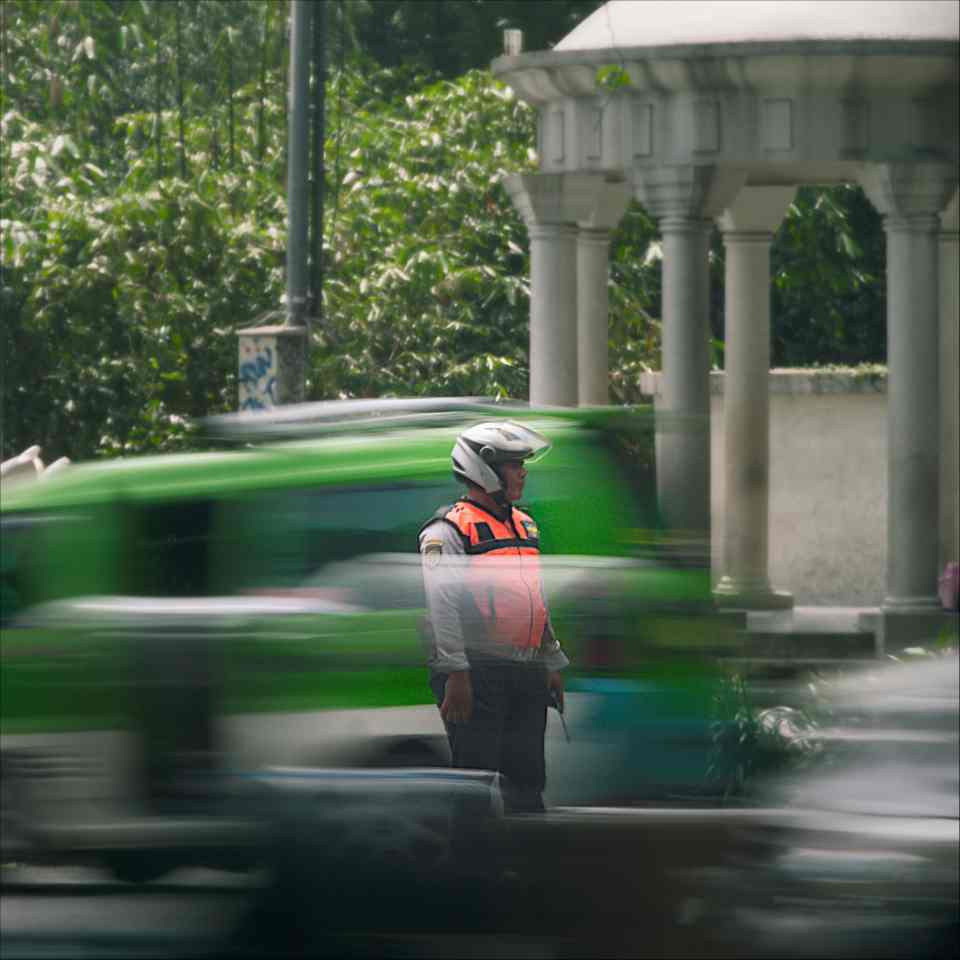
Hi-vis mandates apply first and foremost when workers are exposed to moving vehicles or heavy equipment, where low visibility increases struck-by accident risks.
OSHA specifically requires warning garments for workers exposed to public vehicular traffic during excavation work. Under the General Duty Clause, hi-vis protection can also be required for any worker exposed to recognized traffic or construction vehicle hazards.
Roles and workplaces typically covered include:
- Road construction crews
- Flaggers and traffic control personnel
- Workers operating near moving construction equipment
- Employees working inside temporary traffic control zones
For federal-aid highway projects, the FHWA Worker Visibility Rule also requires hi-vis apparel for workers exposed to traffic or construction equipment within the right-of-way. OSHA’s construction standards also incorporate MUTCD (Manual on Uniform Traffic Control Devices) requirements for flaggers and warning garments.
OSHA-Recognized Hi-Vis Performance Classes

OSHA references ANSI/ISEA 107 as the consensus standard for hi-vis apparel design and performance. The standard defines three performance classes based on the amount and placement of background and retroreflective material:
- Class 1: Lowest visibility level, intended for lower-risk environments with minimal vehicle exposure.
- Class 2: Enhanced visibility for workers exposed to moderate to significant traffic or vehicle hazards.
- Class 3: Highest visibility level, designed for situations requiring maximum worker recognition — including complex backgrounds, reduced weather visibility, or high-speed traffic.
OSHA does not mandate a single class for all worksites. For temporary traffic control zones, enforcement materials typically reference Class 2 or Class 3 apparel, depending on hazard level.
How to Choose the Right Hi-Vis Class
The appropriate class depends on worksite conditions, not just job title. Employers should conduct a formal hazard assessment that factors in:
- Proximity to moving traffic and equipment
- Vehicle and equipment operating speeds
- Daytime vs. nighttime work
- Weather conditions and ambient visibility
- Complexity of the work background
- Type of worker activity and range of motion
Tips for Ensuring Compliance
When purchasing hi-vis apparel for regulated work, do not rely on generic labels like “reflective vest” or “high visibility.” Instead:
- Verify Certified Labels: Ensure the physical tag explicitly states compliance with the ANSI/ISEA 107 standard and its specific performance class (Class 1, 2, or 3).
- Match the Hazard Level: Confirm the garment class is rated for your site’s specific conditions, such as vehicle speeds and day vs. night shifts.
- Check Approved Colors: Ensure the background is an ANSI-approved fluorescent color (yellow-green, orange-red, or red). Standard bright colors do not comply.
- Inspect and Replace Regularly: Monitor for fading, dirt, and worn reflective strips. Damaged or heavily soiled apparel loses its safety rating and must be replaced.
FAQ
Does OSHA require all workers to wear hi-vis clothing?
No. OSHA does not have a blanket requirement for all workers to wear hi-vis clothing. Requirements apply only when workers face specific struck-by hazards, such as exposure to public traffic or moving construction equipment.
Is a safety vest enough to meet OSHA hi-vis requirements?
Not necessarily. A generic “high visibility” label does not establish compliance. The garment must feature a physical tag proving it is certified under ANSI/ISEA 107, and it must match the specific performance class required for your worksite hazards.
Does OSHA require Class 3 hi-vis clothing?
Not for every workplace. Class 3 is typically required for high-risk conditions, such as high-speed traffic zones (often over 50 mph), nighttime operations with complex backgrounds, or when workers need full-body (360-degree) visibility.
Can hi-vis clothing be any color?
No. To satisfy ANSI/ISEA 107 standards, the background material must be one of three specific fluorescent colors: yellow-green, orange-red, or red. Standard bright colors (like hot pink or neon blue) do not comply.
Do hi-vis requirements apply at night?
Yes, and the standards are often stricter. Because low-light conditions severely increase struck-by risks, employers must evaluate if nighttime operations require upgrading workers to Class 3 apparel with more retroreflective material for maximum contrast.
Final Verdict
OSHA hi-vis requirements are hazard-driven and task-specific, not universal. For workers exposed to traffic or construction equipment — especially in roadway work zones — employers must identify applicable OSHA, MUTCD, and FHWA requirements, and select hi-vis apparel that meets the appropriate ANSI/ISEA 107 performance level.


