
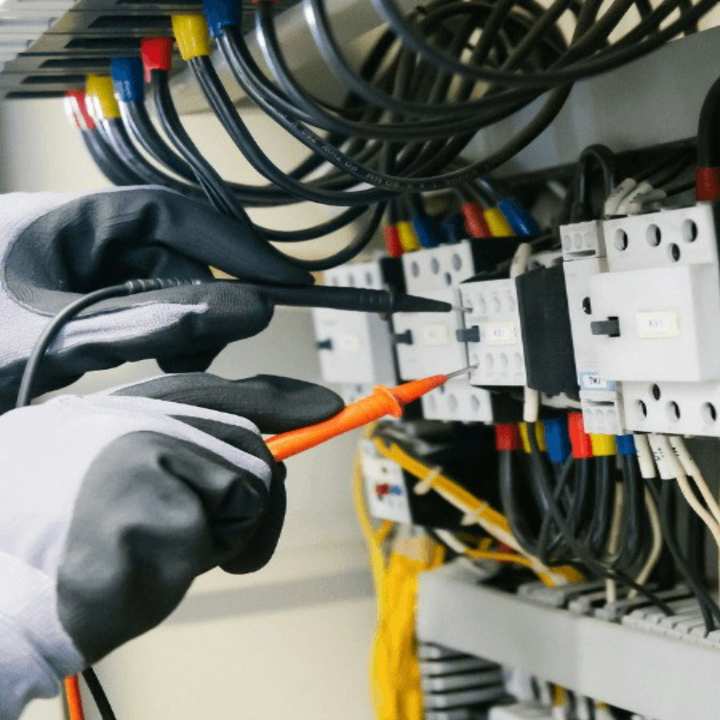
You might wonder if electrical gloves really protect you. The answer is yes—when you use certified electrical gloves, you greatly lower your risk of electric shock. These gloves act as a barrier between your skin and live wires. Their main purpose is to keep you safe when you work with energized equipment. In a car manufacturing plant, switching to certified Class 00 and Class 0 gloves and regular safety checks cut electrical accidents by 87% over three years.
| Class | Voltage Protection (AC) | Voltage Protection (DC) |
|---|---|---|
| Class 00 | Up to 500V | Up to 750V |
| Class 0 | Up to 1,000V | Up to 1,500V |
| Class 1 | Up to 7,500V | Up to 11,250V |
| Class 2 | Up to 17,000V | Up to 25,500V |
| Class 3 | Up to 26,500V | Up to 39,750V |
| Class 4 | Up to 36,000V | Up to 54,000V |
Key Takeaways
- Certified electrical gloves help lower the chance of electric shock. Always pick gloves that follow safety rules.
- Check your gloves before you use them each time. Look for cracks, cuts, or other damage to stay safe.
- Use the right class of gloves for the voltage you will face. Higher voltage needs higher class gloves to keep you safe.
- Test your gloves every six months to make sure they work well. This helps them stay safe and follow the rules.
- Always wear leather protectors over rubber gloves. This gives more safety from cuts and burns.
How Electrical Gloves Work
Insulating Materials
Understanding why electrical gloves work so well is important. The main reason is the materials used. Manufacturers use special compounds to block electric current. Most gloves use rubber. Rubber is a natural insulator. It blocks electric current and ensures the safety of your hands.
You can learn about the main materials of electrical gloves and their characteristics through this table:
| Material | Insulating Properties | Durability and Suitability |
|---|---|---|
| Natural Rubber | Great dielectric properties, flexible, strong | Can break down from ozone, sunlight, and some chemicals |
| Synthetic Rubber Compounds | Better resistance to oils and chemicals, keeps good insulation | Lasts longer in tough places than natural rubber |
| Composite Materials | Improved by mixing rubber with other materials | Can have cut resistance without losing electrical insulation |
| Specialty Materials | Made for extreme conditions, may include cold-resistant types | Must keep insulating properties and protect against harsh environments |
The thickness and material of a glove determine its voltage rating. Thicker gloves can protect against higher voltages. Gloves made of synthetic rubber are more durable in rough environments. Composite material gloves, in addition to being cut-resistant, can also effectively block electric current.
Tip: Always check the label for the material and voltage rating before using electrical gloves.
How They Prevent Shock
You might ask, how do these gloves prevent electric shock? The answer lies in science. Rubber and similar materials are not good conductors of electricity. Wearing insulating gloves acts like creating a barrier between your skin and live wires or equipment.
Here’s how the protection works:
- Rubber is a strong insulator. It stops electric current from touching your body.
- The glove’s thickness and condition are important. Thicker gloves block more voltage. Damaged gloves may not protect you.
- Certified gloves are tested carefully. They must meet safety standards to make sure they work.
Certified electrical gloves are essential for safety. They are designed for specific voltage levels and must be inspected regularly. Industry regulations require these gloves to be retested every six months. This ensures your safety and helps you comply with the Occupational Safety and Health Administration (OSHA) regulations. If you neglect testing, you may be using gloves that no longer provide protection.
Note: Only certified electrical gloves give reliable protection. Always use gloves that meet industry standards and check them often.
Electrician gloves can protect your safety, but only if you choose the right material, thickness, and certification.
Effectiveness and Standards for Electrical Gloves
Testing and Certification
You need to be confident that your safety equipment will function effectively every time. Therefore, the standardization and testing of electrical gloves are crucial. Organizations such as ASTM International, OSHA, and IEC have established stringent specifications for glove manufacturing and testing. These specifications ensure that your gloves truly protect you when you need them most.
The following table lists the key standards and their scope:
| Organization | Standard | Description |
|---|---|---|
| ASTM International | ASTM D120 | Sets requirements for rubber insulating gloves. |
| OSHA | 29 CFR 1910.137 | Requires ASTM-compliant gloves for electrical work. |
| IEC | IEC 60903 | International rules for insulating gloves. |
| NFPA | NFPA 70E | Workplace electrical safety and PPE recommendations. |
The manufacturer must test each pair of gloves before delivering them to you. This initial test checks whether the gloves can withstand high-voltage current without allowing it to pass through. When you receive new gloves, they should also be checked before first use.
You must continuously test gloves that have been used. The testing procedure is as follows:
- A qualified lab tests each glove at its proof-test voltage.
- The lab checks for leaks, holes, or weak spots.
- Gloves must pass a dielectric test, which means they stop electric current at the rated voltage.
- You or your company should inspect gloves before every use. Look for cuts, holes, or changes in color.
- Do an air test by inflating the glove and listening for leaks.
- Gloves in service must go to a lab for re-testing every six months.
- If gloves are not used yet, they must be tested within the last twelve months before use.
- Companies often use color codes or tracking systems to keep up with testing schedules.
Tip: Always check the test date on your gloves. Never use gloves that are past their test period.
OSHA and Voltage Ratings
You must select appropriate protective gloves based on the voltages you will encounter at work. The Occupational Safety and Health Administration (OSHA) and the American Society for Testing and Materials (ASTM) have established clear guidelines for this. Protective gloves are classified into different protection levels, each corresponding to a specific voltage. Using the wrong level may expose you to risks.
The table below lists the voltage limits for each protection level:
| Class | Maximum Use Voltage (AC rms) | Retest Voltage (AC rms) | Retest Voltage (DC avg) |
|---|---|---|---|
| 00 | 500 | 2,500 | 10,000 |
| 0 | 1,000 | 5,000 | 20,000 |
| 1 | 7,500 | 10,000 | 40,000 |
| 2 | 17,000 | 20,000 | 50,000 |
| 3 | 26,500 | 30,000 | 60,000 |
| 4 | 36,000 | 40,000 | 70,000 |
You must always wear protective gloves that match the voltage you are working with. For example, if you are operating circuits with voltages up to 1000 volts, you will need at least Class 0 protective gloves. Higher voltages will require higher-class protective gloves.
The U.S. Occupational Safety and Health Administration (OSHA) also requires you to inspect your gloves before each use. Check for damage such as cracks or holes. The gloves must also pass a water immersion test to ensure they do not leak electricity.
Note: Gloves that do not meet OSHA and ASTM standards cannot protect you from electric shock. Always check for certification marks before using any glove for electrical work.
Electrical gloves that meet these standards provide maximum safety for you at work. You can trust them because they undergo rigorous testing and adhere to strict regulations.
Proper Use of Electrical Gloves
Inspection and Maintenance
Your electrician’s gloves should be inspected before each use. A thorough inspection helps to identify any potential hazardous damage. Here are the inspection steps:
- Look for cracks or cuts. If gloves are folded or squeezed for a long time, they can get damaged.
- See if the gloves have been in sunlight. Sunlight can make the glove material weak.
- Check if the gloves are swollen. Oils and petroleum can make rubber gloves swell up.
- Make sure gloves are not folded. Folding can make the material weak.
- Look for snags or tears. Sharp things like wood or metal can poke small holes.
- Find any rope burns, deep cuts, or holes.
Tip: Always look at your gloves and do an air test. Blow air into the glove and listen for leaks.
For taking care of your gloves, you should:
- Check gloves every day for damage or sunlight problems.
- Keep gloves in a cool, dry place away from sun and ozone.
- Do not fold or squeeze gloves when you store them.
- Wear leather protectors over rubber gloves to stop cuts and scrapes.
- Send gloves for testing at their proof-test voltage sometimes.
Wearing and Removing Gloves
Properly wearing and removing gloves ensures safety. Choose the correct size to ensure a snug fit. Well-fitting gloves allow for greater flexibility and comfort. Always wear a leather protective glove over the rubber glove. The protective glove should be shorter than the insulating glove. This protects against electrical splashes and flashovers.
Here are some good tips:
- Check gloves before you put them on.
- Slide your hand in gently so you do not stretch or tear the glove.
- Put on leather protectors after you put on the rubber gloves.
- Take off gloves by peeling them from the cuff and turn them inside out.
| Common Mistakes in Electrical Glove Usage | Description |
|---|---|
| Using non-rated gloves | Regular gloves do not protect you from electricity. |
| Ignoring environmental degradation | Sun, ozone, chemicals, or damage can cause hidden problems. |
| Not allowing for a safety margin | Gloves should protect you from more voltage than you expect. |
Note: Using and caring for electrical gloves the right way keeps you safe and helps you follow safety rules at work.
Limitations and Risks of Electrical Gloves
When Gloves May Fail
You should know that electrical gloves are not a panacea. They cannot guarantee your safety in all situations. If the gloves are torn, wet, or dirty, they may not protect you from electric shock. Even tiny tears or holes can allow current to pass through. Water reduces the safety of gloves because it facilitates the flow of electricity. The risk of electric shock is higher if you wear gloves in the rain or when your palms are sweaty.
Here is a table that shows common limitations:
| Limitation | Description |
|---|---|
| Never Use as Primary Insulation | Disposable gloves are not made or certified to protect you from live circuits. |
| Limited Voltage Protection | Standard disposable gloves do not protect you from high voltage. |
| Risk of Puncture and Tears | Thin gloves can tear easily, which removes any protection they might offer. |
Using damaged or improperly maintained gloves can cause electric shock, burns, or even fire. Always check gloves before use. Do not rely solely on gloves for safety. You should also shut down the equipment and follow safe operating procedures.
Note: Always wear leather protector gloves over your electrical gloves to lower burn risk during arc flash incidents.
Common Mistakes
Many workers make safety-risking mistakes. For example, you might forget to wear gloves when performing electrical work. Some people think that wearing gloves guarantees safety, but this can lead to dangerous choices. Others forget to turn off the power before starting work. These mistakes can cause serious personal injury or even endanger lives.
Here are some common mistakes to avoid:
- Not wearing gloves during hazardous tasks.
- Misunderstanding the purpose of personal protective equipment.
- Failing to de-energize circuits before working.
- Ignoring glove inspections or using gloves past their test date.
You should always use all safety steps together. Use gloves with other controls, like turning off equipment, and follow safe rules to protect yourself from arc flash hazards. Remember, gloves are just one part of your safety plan.
Tip: Stay alert and follow all safety rules. Your life depends on it.
Electrical Gloves vs. Mechanic Gloves

Key Differences
Understanding the difference between electrical gloves and machine gloves is crucial. Electrical gloves protect you from electric shock. They are made of special materials such as rubber and must be worn in strict accordance with safety regulations. You need to wear electrical gloves when handling live wires or equipment.
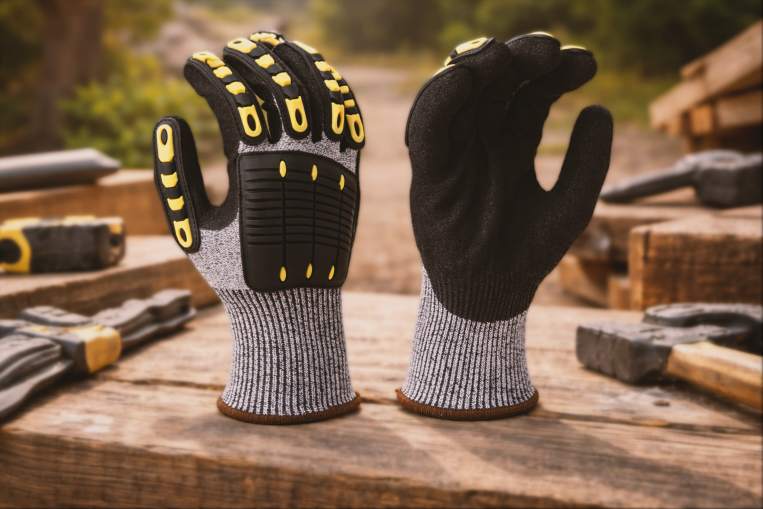
Machine gloves, such as WELWORK machine gloves, protect your hands from cuts and impacts. They are made of cut-resistant materials and have enhanced grip. Machine gloves feature TPR impact protection and cut-resistant linings. The sandblasted nitrile-coated palm helps you grip tools and parts better. Machine gloves are ideal for safely operating machines and tools.
The following table lists the main differences:
| Feature | Electrical Gloves | Mechanic Gloves (WELWORK) |
|---|---|---|
| Main Purpose | Protect from electric shock | Protect from cuts, impacts |
| Material | Rubber, composite | Synthetic, nitrile, TPR |
| Certification | OSHA, ASTM, IEC | Industry standards for mechanics |
| Voltage Protection | Yes | No |
| Grip and Dexterity | Moderate | High |
| Intended Use | Electrical work | Mechanical, automotive tasks |
Note: Electrical gloves must meet strict voltage ratings. Mechanic gloves are made for grip and lasting longer.
When to Use Each Type
You should wear insulating gloves when performing electrical work. These gloves protect you from dangerous voltages. Always check the gloves’ certification and voltage rating before starting any electrical work.
Mechanical gloves are best used for repairing cars, maintaining equipment, and handling sharp or heavy items. WELWORK mechanical gloves have strong grip and can effectively prevent impacts and cuts. You can use them in cold, wet environments, or when you need shock protection.
Tip: Do not use mechanic gloves for electrical jobs. They will not protect you from electric shock.
You keep your hands safe and follow safety rules when you choose the correct glove for each task.
Choosing the Right Electrical Gloves
Glove Classes and Ratings
You need to choose the appropriate protective gloves based on your job. Electrician gloves are divided into different classes, each protecting against different voltages. For example, Class 0 gloves protect against 1,000 volts, while Class 4 gloves protect against 36,000 volts. Always check the voltage rating of your gloves before starting work; this helps ensure your safety when handling live wires or equipment.
The glove rating is not just a number; it represents the voltage the glove can block. If your working voltage is higher, you will need a higher-rated glove. The appropriate rating ensures your safety and complies with workplace safety regulations.
In addition to the voltage rating, consider the following factors when choosing gloves:
- Level of protection needed for your task
- Dexterity and flexibility for handling tools
- Grip and traction, especially in wet or oily conditions
- Durability for frequent use
- Comfort and fit for long hours
- Industry standards for your work
You can find gloves made from rubber, nitrile, or other materials. Rubber gives the best insulation. Nitrile offers good grip and some chemical resistance. Always pick gloves that fit your job needs.
Certified Products
To ensure safety, you must use certified gloves. Look for certification marks on the gloves. These marks indicate that the gloves meet safety standards. In the United States and Canada, ASTM D120 is the primary standard for rubber insulating gloves. You will see rating markings on the gloves, such as Class 0 or Class 4.
| Standard | Description |
|---|---|
| ASTM D120 | U.S. and Canada standard for rubber insulating gloves |
| Class 0 | Rated for up to 1,000 volts |
| Class 4 | Rated for up to 36,000 volts |
Gloves must be tested every six months. Always check the testing date before use. Purchasing from reputable manufacturers or suppliers ensures you get genuine and safe products. Many B2B buyers seek wholesale or custom options to meet their team’s needs. Our website offers a range of electrician gloves that meet both safety and business requirements.
Tip: Only use gloves with clear certification marks and up-to-date test dates. This keeps you safe and helps your company follow the rules.
Wearing electrical gloves can effectively prevent workplace injuries and ensure your safety. Many businesses have seen a significant reduction in accident rates after starting to use certified gloves and training workers on their proper use.
| Industry | Results |
|---|---|
| Manufacturing | 87% fewer electrical accidents in 3 years |
| Construction | 73% fewer accidents in 2 years |
To stay safe, follow these steps:
- Pick gloves that fit well and are right for your job.
- Check and test your gloves every time before you use them.
- Learn the right way to put on, take off, and care for your gloves.
If you would like to learn more, please see the following resources:
- OSHA Rubber Glove Testing: Safety is in Your Hands
- MSHA Requirements of Testing High-Voltage Gloves
- Top OSHA Violations: Analyzing Historical Data and Advocating for a Future Built on Safety
- 67 Toolbox Talk Topics: Critical Safety Shares to Emphasize with Your Team
FAQ
What makes electrical gloves different from regular gloves?
Electrician gloves are made of special rubber. This rubber blocks electric current. Ordinary gloves cannot protect you from electric shock. When handling live wires, you need to wear certified electrician gloves.
How often should you test electrical gloves?
Inspect your electrician’s gloves every six months. Always check the inspection date before use. Regular inspections ensure your safety and help your company comply with safety regulations.
Can you use mechanic gloves for electrical work?
No, you can’t do this with mechanical gloves. Mechanical gloves, like WELWORK gloves, only protect against cuts and impacts; they don’t conduct electricity. Only certified insulating gloves can protect you from electric shock.
What should you do if you find a tear in your electrical gloves?
Stop using the gloves immediately. Inform your supervisor or safety manager of the damage. Change into new gloves before returning to work.
How do you know if electrical gloves are certified?
Check for ASTM or IEC markings on the gloves. Verify the voltage rating and test date. Only use gloves from reputable suppliers or B2B distributors.


